As a seasoned supplier in the air conditioning unit industry, I’ve encountered numerous challenges faced by customers, and one of the most common issues is a leaking air conditioning unit. A leaking AC can not only damage your property but also reduce the efficiency of the unit, leading to higher energy bills. In this blog, I’ll share some practical steps on how to troubleshoot a leaking air conditioning unit. Air Conditioning Unit

Step 1: Identify the Source of the Leak
The first step in troubleshooting a leaking air conditioning unit is to identify where the leak is coming from. There are several possible sources of leaks in an AC unit:
Condensate Drain Line
The condensate drain line is responsible for carrying away the water that forms as the air conditioner cools the air. If this line becomes clogged or damaged, water can back up and leak out of the unit. To check the condensate drain line, locate it near the indoor unit of your AC. It’s usually a small, white or black plastic tube. Look for any signs of blockage, such as dirt, debris, or algae growth. You can try using a wet – dry vacuum to suction out any blockages or pour a mixture of vinegar and water down the line to clean it.
Evaporator Coil
The evaporator coil is where the refrigerant absorbs heat from the air. If the coil is dirty or frozen, it can cause excess moisture to form and leak. To check the evaporator coil, turn off the power to the AC unit and remove the access panel. Inspect the coil for any signs of dirt, ice, or damage. If the coil is dirty, you can use a soft brush or a coil cleaner to gently clean it. If it’s frozen, turn off the AC and let it thaw for a few hours.
Refrigerant Leak
A refrigerant leak can also cause water to leak from the AC unit. Refrigerant is a substance that circulates through the AC system to cool the air. If there’s a leak in the refrigerant lines, the pressure in the system can drop, causing the evaporator coil to freeze and leak water. To check for a refrigerant leak, look for any signs of oil or refrigerant around the AC unit. You may also notice a hissing sound coming from the unit. If you suspect a refrigerant leak, it’s best to call a professional HVAC technician, as handling refrigerant requires special equipment and training.
Drain Pan
The drain pan is located under the indoor unit of the AC and collects the condensate water. If the drain pan is cracked, damaged, or overflowing, water can leak out. To check the drain pan, remove the access panel and inspect it for any signs of damage or cracks. If the pan is overflowing, it may be due to a clogged drain line.
Step 2: Check the Installation
Sometimes, a leaking air conditioning unit can be the result of improper installation. Here are some installation – related factors to consider:
Level Installation
The indoor unit of the AC should be installed level. If it’s not level, water can pool on one side of the drain pan and leak out. Use a level to check if the unit is properly installed. If it’s not level, you may need to adjust the mounting brackets or shims to level the unit.
Drain Line Slope
The condensate drain line should have a proper slope to ensure that water flows freely towards the drain. If the drain line is installed with too little slope or is flat, water can back up and cause a leak. Check the slope of the drain line and make sure it’s at least 1/8 inch per foot.
Sealing
Proper sealing of the AC unit is essential to prevent air and water from leaking. Check the seals around the access panels, refrigerant lines, and ductwork. If you find any gaps or cracks, use a high – quality sealant to seal them.
Step 3: Inspect the Air Filter
A dirty air filter can restrict airflow through the AC unit, causing the evaporator coil to freeze and leak water. To check the air filter, locate it in the return air duct of the indoor unit. Remove the filter and inspect it for dirt and debris. If the filter is dirty, replace it with a new one. It’s recommended to replace the air filter every 1 – 3 months, depending on the usage and the environment.
Step 4: Monitor the AC Unit
After performing the above troubleshooting steps, monitor the AC unit for a few days to see if the leak has stopped. Check the area around the unit regularly for any signs of water. If the leak persists, it may be a sign of a more serious problem, and you should call a professional HVAC technician.
Step 5: Preventive Maintenance
To avoid future leaks, it’s important to perform regular preventive maintenance on your air conditioning unit. Here are some maintenance tips:
Clean the Condensate Drain Line
Regularly clean the condensate drain line to prevent blockages. You can do this by pouring a mixture of vinegar and water down the line every few months.
Clean the Evaporator Coil
Clean the evaporator coil at least once a year to remove dirt and debris. You can use a soft brush or a coil cleaner to clean the coil.
Replace the Air Filter
Replace the air filter regularly to ensure proper airflow through the unit.
Schedule Professional Maintenance
Have your air conditioning unit serviced by a professional HVAC technician at least once a year. A professional technician can perform a thorough inspection of the unit, check for any potential problems, and perform necessary maintenance.
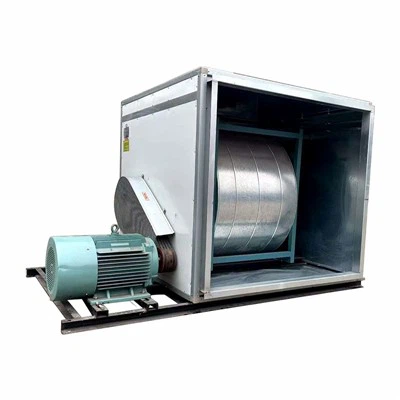
As an air conditioning unit supplier, I understand the importance of a properly functioning AC system. If you’re experiencing a leaking air conditioning unit or are in the market for a new AC unit, I encourage you to reach out to me for a consultation. We offer a wide range of high – quality air conditioning units that are designed to meet your specific needs. Whether you need a residential or commercial AC unit, we have the expertise and the products to provide you with the best solution.
Soundproofing Contact me to discuss your air conditioning needs, and let’s work together to ensure that your AC system is running smoothly and efficiently.
References
- "Residential Air Conditioning Handbook" by Mark E. Hodges
- "HVAC Systems Design Handbook" by Gary C. Jones
- "Air Conditioning and Refrigeration Technology" by William C. Whitman, William M. Johnson, and John A. Tomczyk
Jiangsu Hengyu Fire Protection Technology Co., Ltd.
We’re well-known as one of the most experienced air conditioning unit manufacturers in China, also support customized service. With abundant experience, we warmly welcome you to buy bulk discount air conditioning unit from our factory. If you have any enquiry about quotation, please feel free to email us.
Address: Jiangsu Hengyu Fire Protection Technology Co., Ltd., No. 56, Xinyi Road, Chengbei Industrial Park, Jingjiang City, Jiangsu Province
E-mail: Jskyxfkj@163.com
WebSite: https://www.cehengyu.com/
