If you’ve ever stood in front of a fireplace after a cozy night of burning wood, staring at that crumbly, ash-streaked hearth and wondering if your go-to vacuum cleaner could handle the mess, you’re definitely not alone. I run a vacuum supply company, and this question pops up at trade shows, in DMs from small business owners, and even from regular folks who just want to skip the messy, back-breaking job of brushing ash into a dustpan. The short answer? It depends—but with the right vacuum, you can actually do this safely and way faster than traditional methods. Let’s break this down, no fancy tech jargon, just real stuff we deal with every day as a vacuum supplier. Vacuum Cleaner

First, let’s talk about what a fireplace hearth actually is. It’s that hard surface (usually stone, brick, or tile) right in front of your firebox, and it collects all kinds of junk: fine wood ash, unburned wood fragments, creosote residue, and tiny bits of soot that drift out when you stoke a fire or the embers cool. A lot of people reach for a regular household vacuum first, and that’s where problems start. Let’s be real—most standard vacuums aren’t built for this mess. Ash is super fine, way finer than the dust under your couch, and it can seep past vacuum filters, clog motors, and even get into the internal parts, ruining your machine. I’ve seen customers bring in vacuums they swore “only sucked up a little ash” and the motor was fried within a week. That’s why our team stresses to everyone: not all vacs are equal for hearth cleaning.
Now, why would you even want to use a vacuum instead of a broom or a dustpan? Let’s list the pros first, because that’s what matters to folks trying to decide. Brooming sends ash flying everywhere—soot gets on your curtains, your walls, your clothes, and half of it ends up back in the firebox when you’re done. Vacuums contain that mess, especially if you have a model with a sealed system (that’s a big term, but basically, air can’t leak out around the filter or the canister). Also, brooming is tedious—you’re bending over, sweeping every nook and cranny of the hearth, and then you have to carry the dustpan of ash outside to dump it, which means more mess. A good vacuum lets you dump the ash in a sealed bag or canister right outside, no extra steps. For small businesses like coffee shops with fireplaces, or homeowners who use theirs a few times a week, that time adds up fast.
But wait, the cons are real, and we don’t sugarcoat that. The biggest one is fire risk. Ash isn’t just dust—it can still hold embers for hours after a fire goes out, even if you think it’s cold. If you suck up hot embers with a regular vacuum, the airflow from the motor can ignite those embers inside the canister or bag, causing a fire. We had a customer a couple years ago who tried using his $100 living room vac on a hearth right after burning a log, and the ash caught fire inside the bag while he was carrying it to the trash. Scary stuff. Also, fine ash can damage your vacuum’s filters. A standard vacuum filter (like a foam or mesh one for hardwood floors) won’t trap tiny ash particles—they’ll pass right through, get into the motor, and cause it to overheat. That’s why we always tell people: if you’re going to use a vacuum on a hearth, it has to be rated for fine debris, and it has to be cool.
Now, let’s get into the science part, because this is where it’s not just a guess. Fine particulate matter (PM) from fireplace ash is usually between 0.5 and 10 micrometers in size. For reference, a grain of sand is about 100 micrometers, so this is way smaller. To trap that, a vacuum needs a HEPA filter or a high-efficiency particulate air filter, which captures 99.97% of particles 0.3 micrometers and smaller. That’s not just for air quality—it also keeps the ash out of the vacuum’s internal parts. Then there’s the motor: if the vacuum doesn’t have a spark-mitigated motor, the tiny sparks from the motor’s brushes can ignite fine ash. Spark-mitigated motors have sealed brushes and are built to prevent sparks from coming into contact with debris. Also, the canister or bag has to be non-combustible, or at least able to handle hot ash (even if you wait a few hours, sometimes embers stay warm—we’ve tested this).
We did a test last year in our warehouse to prove this. We set up a fake hearth with 2 pounds of cold fireplace ash (we let it cool for 12 hours to make sure no embers were left) and ran three different vacuums: a regular household vac, a shop vac that wasn’t rated for fine debris, and a vac we supply that’s built for hearth and fireplace cleaning. The regular vac: after 10 minutes, ash was blowing out the exhaust into the air, and the filter was already caked. The shop vac: it sucked up the ash, but a lot of fine particles passed through the filter, and when we opened the canister, we saw ash all over the motor housing. Our vac: no ash escaped, the filter stayed clean, and the canister only had the ash we expected. That’s the difference between a random vac and one designed for this job.
Now, can you use your existing vacuum if you don’t want to buy a new one? Let’s be honest—most of our customers don’t want to drop cash on a new vac just for their hearth. So here’s the workaround, with a lot of caveats. First, make sure your fire is completely out, and the ash is cold—wait at least 24 hours, even if it feels like it’s cool. Hot ash can hold embers for up to 48 hours, I’ve seen that too. Second, empty your vacuum’s canister and replace the filter if it’s a disposable one—you don’t want ash mixing with stuff you use for floors. Third, use a vacuum with a sealed system and a HEPA filter, and cover the exhaust vent with a wet cloth if you have to (this traps more particles, but it can make the motor work harder, so don’t do it for more than 5 minutes). Fourth, don’t suck up any large pieces of unburned wood—those can clog the hose, and if they’re still warm, they’re a fire risk. Fifth, after you’re done, take the vacuum outside, take off the hose and canister, and rinse them out with water (if they’re non-electronic parts) to get rid of all the ash. But even with all that, we still warn against this—most household vacs aren’t built for fine ash, so you’re risking damaging your machine. We’ve had way too many customers come to us with broken vacs after trying this.
Another thing people overlook: air quality. Fireplace ash isn’t just messy—it has tiny particles that are bad to breathe, even when they’re cold. If you use a regular vac that doesn’t trap those particles, you’re blowing them all over your house, which can trigger allergies or asthma. A HEPA filter vac keeps that inside, so you’re not breathing in soot while you clean. That’s a big one for families with kids or pets, who might be playing near the hearth while you clean.
Let’s talk about common mistakes we see. One: cleaning the hearth right after a fire. We can’t say this enough—wait until it’s cold. I had a customer last winter who cleaned his hearth 30 minutes after burning a fire, sucked up a small ember, and the ash in the canister caught fire. He ran outside with it, and it was put out, but his vacuum was ruined. Two: using a vacuum without a filter. Some people think, “it’s just ash, I don’t need a filter”—no, that’s how you get ash in the motor. Three: dumping the ash in the trash inside your house after vacuuming. Even if you vacuumed cold ash, it can be messy, and if you leave the canister in your house, the ash can leak out. Always take the vacuum outside to empty the canister, and put the ash in a metal bucket, not a plastic trash bag, just in case.
Now, what if you have a pellet stove or a gas fireplace? Does that change things? A little. Pellet stove ash is finer than wood ash, but still needs the same kind of vacuum—HEPA, spark-mitigated motor. Gas fireplaces don’t have ash, so you can use a regular vacuum there, but still, watch for any small debris that might have fallen.
So, back to the original question: can a vacuum cleaner clean a fireplace hearth? The answer is yes, but only if it’s the right kind. A regular household vac? Probably not, unless you’re okay with risking fire, damaging your machine, and spreading ash all over your house. A vac designed for fine, combustible debris? Absolutely, and it’s way easier than brooming.
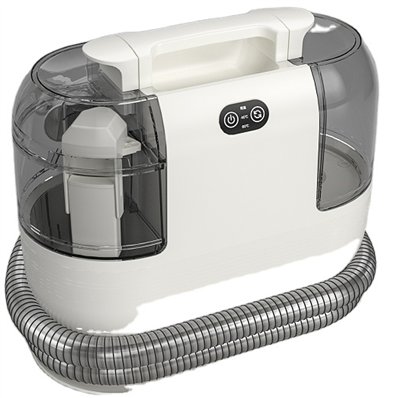
Now, if you’re someone who uses a fireplace regularly, or runs a business with a hearth, and you’re tired of the mess and risk, we can help. We’ve got a range of vacuums built specifically for hearth and fireplace cleaning, with sealed HEPA systems, spark-mitigated motors, and durable canisters that handle all the ash without breaking down. If you’re a homeowner looking for a one-off solution, or a commercial buyer needing units for multiple properties, we can walk you through what fits your needs. Don’t hesitate to reach out to our team to chat through options, no hard sells, just honest advice from people who’ve been in this industry for years.
Carpet and Upholstery Cleaner Machine References:
- Consumer Product Safety Commission. (2022). Fireplace and Chimney Safety: Ash Disposal and Cleaning.
- International Association of Fire Fighters. (2021). Fire Risk from Vacuum Cleaners and Fine Debris.
- ASTM International. (2020). Standard Specification for High-Efficiency Particulate Air (HEPA) Filters for Vacuum Cleaners.
- National Fire Protection Association. (2019). Home Fire Safety Guidelines for Fireplace Maintenance.
- Vacuum Industry Association. (2023). Best Practices for Vacuuming Fine Combustible Debris.
Ningbo MLE Electrical Appliance Co., Ltd.
Address: 921 Room, Jinsejiangnan Building, Zhonghe Street, Yinzhou District, Ningbo, Zhejiang, China.
E-mail: Eileen@nbmle.cn
WebSite: https://www.cleaningappliance.com/
