Hey there! I’m in the business of supplying excavator buckets, and one question I get a lot is, "What’s the difference between a front – end and a back – hoe excavator bucket?" Well, let’s dive right into it and break down these two types of buckets. Excavator Bucket
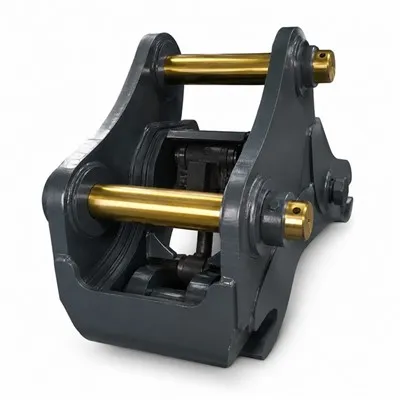
Design and Structure
First off, let’s talk about the design. Front – end loader buckets are designed to scoop materials from the front. They’re typically large, wide, and have a relatively flat bottom. This design allows them to pick up a large volume of material at once, like sand, gravel, or soil. You can think of them as big scoops that are great for moving large quantities of loose materials around a worksite.
On the other hand, back – hoe buckets are smaller and more compact. They have a more angled and curved shape. The back – hoe bucket is attached to a hydraulic arm that extends from the rear of the excavator, and it’s designed to dig into the ground. The curved shape helps in breaking into the soil and lifting dirt out of the hole. The teeth on a back – hoe bucket are usually sharper and more closely spaced compared to those on a front – end loader bucket, which gives it better penetration power.
Functionality
When it comes to functionality, front – end loader buckets are all about loading and transporting. They’re used to pick up materials from a stockpile and then move them into trucks or onto other areas of the site. For example, at a construction site, a front – end loader with a big bucket can quickly load a dump truck with gravel for a new foundation. They’re also great for leveling and spreading materials, like spreading sand for a parking lot.
Back – hoe buckets, however, are mainly for digging. Whether it’s digging trenches for pipes, creating holes for foundations, or excavating basements, the back – hoe is the tool for the job. The hydraulic arm on the back – hoe allows for precise control, so operators can dig to the exact depth and width required. It’s also useful for breaking up hard ground or rock, as the sharp teeth and the force of the hydraulic arm can make short work of tough materials.
Attachment and Operation
The way these buckets are attached to the excavator is also different. Front – end loader buckets are attached to the front of the loader, usually with a quick – attach system. This makes it easy to swap out different types of buckets or attachments, like forks for pallets. Operators control the front – end loader using joysticks inside the cab, moving the bucket up, down, forward, and backward to scoop and transport materials.
Back – hoe buckets are attached to the back of the excavator via a hydraulic boom and stick. The operation of a back – hoe is a bit more complex. The operator has to control the movement of the boom, stick, and bucket independently, using separate levers or joysticks. This requires a higher level of skill and training to operate efficiently, especially when it comes to digging precise holes or trenches.
Efficiency and Applications
In terms of efficiency, front – end loader buckets shine in large – scale material handling operations. Their ability to quickly scoop and transport large volumes of material means they can get a lot of work done in a short amount of time. They’re commonly used in quarries, mines, and large construction sites where there’s a high demand for moving bulk materials.
Back – hoe buckets, on the other hand, are more efficient for smaller – scale digging projects. Their precision and ability to work in tight spaces make them ideal for residential construction, utility work, and landscaping. For example, when installing a small septic system in a backyard, a back – hoe can dig the trenches with minimal damage to the surrounding area.
Material and Durability
When I’m supplying these buckets, I also pay close attention to the materials used. Front – end loader buckets are often made of thick, high – strength steel to withstand the impact of scooping large amounts of heavy materials. The wide, flat design means that the forces are distributed over a larger area, so the bucket doesn’t need to be as reinforced in some areas. However, the edges and the bottom of the bucket still need to be tough to resist wear and tear from constantly scraping against the ground or other materials.
Back – hoe buckets, because they’re used for digging and breaking up hard ground, require even stronger and more durable materials. The teeth are usually made of hardened steel or even tungsten carbide for extra strength. The body of the bucket is also reinforced in key areas to handle the high stress and impact forces when digging.
Cost Considerations
Cost is always a factor for our customers. Front – end loader buckets, due to their larger size and relatively simpler design in some aspects, can be more cost – effective in the long run for large – scale operations. They can handle more material per scoop, which means fewer trips and potentially lower labor costs. However, the initial purchase price of a high – quality front – end loader bucket can still be significant.
Back – hoe buckets, while smaller, can be more expensive in terms of the cost per unit of material moved. But for projects that require precision digging, the investment is worth it. The cost of a back – hoe bucket also depends on the quality of the materials and the complexity of the design, especially if it has features like replaceable teeth or special wear – resistant coatings.
Maintenance
Maintenance is another important aspect. Front – end loader buckets need regular inspection of the quick – attach mechanism to make sure it’s secure. The edges and bottom of the bucket should be checked for wear, and if there are any signs of damage, they may need to be repaired or replaced. Greasing the moving parts is also essential to keep the bucket operating smoothly.
Back – hoe buckets require more in – depth maintenance. The hydraulic connections need to be inspected regularly for leaks, and the teeth should be checked for wear and replaced when necessary. The boom and stick that the bucket is attached to also need to be maintained, including checking the hydraulic cylinders and hoses for any signs of damage.
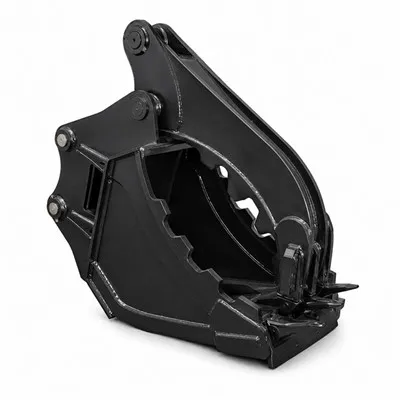
So, there you have it! The main differences between front – end and back – hoe excavator buckets. Whether you’re working on a large construction site or a small landscaping project, choosing the right bucket is crucial for getting the job done efficiently.
Grapple If you’re in the market for an excavator bucket, whether it’s a front – end loader bucket or a back – hoe bucket, I’m here to help. I’ve got a wide range of high – quality buckets that are built to last. Just reach out for a chat about your needs, and we can find the perfect bucket for your project.
References
- Construction Equipment Handbook
- Excavator Operators Manuals
Hope Precision Machinery Co., Ltd.
As one of the most professional excavator bucket manufacturers and suppliers in China, we also support customized service. Please feel free to buy high quality excavator bucket for sale here from our factory. For more information, contact us now.
Address: No.8 Shenzhen Street, Development Zone, Yantai,Shandong ,China
E-mail: lulu@hope-breaker.com
WebSite: https://www.hopeequip.com/
