Hey there! I’m an urn supplier, and let me tell you, dealing with urns is way more than just selling a product. It’s about understanding the deep – seated cultural taboos that come with them. In this blog, I’ll share some of the cultural taboos related to urns from different parts of the world. Urn

Asian Cultural Taboos
Let’s start with Asia. In many Asian cultures, especially in Confucian – influenced societies like China, Korea, and Japan, there are strict taboos regarding urns.
In China, the urn is often seen as a container for the soul of the deceased. It’s considered extremely disrespectful to place the urn in an inappropriate location. For example, the urn should never be placed in a place where it can be easily knocked over or in a dirty area. The family usually sets up a special altar for the urn, and this altar should face a certain direction according to feng shui principles. If the urn isn’t placed correctly, it’s believed that the spirit of the deceased will be restless, and it may bring bad luck to the family.
Also, in Chinese culture, it’s a big no – no to touch the urn with dirty hands. When family members visit the urn on festivals or special occasions, they must wash their hands thoroughly first. This act is not just about physical cleanliness but also about showing respect to the spirit inside the urn.
In Korea, the preservation of the urn is a symbol of filial piety. The grave sites where urns are placed are carefully maintained. It’s taboo to neglect the upkeep of the area around the urn. If the family fails to take care of the place properly, it’s seen as a sign of disrespect and can lead to social criticism.
In Japan, the urn is treated with great reverence. There’s a tradition of a special ceremony when the ashes are placed in the urn. During this ceremony, only close family members are usually allowed to participate. Outsiders are not supposed to interfere or be present without permission. And once the urn is placed in the family grave, it’s considered inappropriate to move it without a very good reason, like a natural disaster affecting the grave site.
Western Cultural Taboos
In the Western world, the views on urns are also shaped by cultural and religious beliefs. In Christianity, which is widely practiced in many Western countries, the body is often buried in a cemetery. However, cremation and the use of urns have become more common in recent years.
One of the taboos in some Christian communities is the idea of scattering the ashes. Some traditional Christian beliefs hold that the body should be buried in a proper grave so that it can rise again on the Day of Judgment. Scattering the ashes from an urn is seen as going against this principle.
In Catholicism, there are specific rules about where the urn can be placed. The ashes should be buried in a sacred place, like a cemetery or a columbarium. Placing the urn in a non – sacred location, such as a home or a garden, is generally not encouraged, although attitudes are gradually changing.
In some Western cultures, there’s a sense of privacy around the urn. It’s not something that is openly displayed in a public area. For example, in a living room or a common area of a house. The urn is often kept in a more private and respectful place, like a family chapel or a dedicated room.
African Cultural Taboos
African cultures have a rich and diverse set of beliefs when it comes to urns. In many African tribes, the transition from life to the afterlife is a complex and sacred process.
In some tribes, the urn is believed to hold the essence of the deceased’s spiritual power. It’s taboo to let strangers handle the urn. Only tribal elders or specific family members who are trained in the traditional funeral rituals are allowed to touch and move the urn.
Also, the color and design of the urn are very important. Some colors are associated with bad omens, and using those colors on an urn is seen as inviting misfortune. For instance, in certain tribes, the color red may be associated with bloodshed and violence, so an urn with too much red on it would be considered inappropriate.
The location where the urn is stored is also significant. In some African cultures, the urn is kept in a special hut or a small building separate from the main living area. This is to keep the spirit of the deceased at a certain distance from the living, as it’s believed that too much interaction between the two can cause problems.
Middle Eastern Cultural Taboos
In the Middle East, Islam has a major influence on cultural practices regarding urns. Islam generally prefers burial over cremation. However, in some cases where cremation has occurred, the handling of the urn is still subject to strict rules.
The urn should be treated with respect. It’s not proper to display the urn in a way that shows any sign of disrespect. Also, the movement of the urn should be done carefully. When transporting the urn, it should be covered and carried in a solemn manner.
In some Islamic communities, there’s a belief that the soul of the deceased is still connected to the physical body, even in the form of ashes. So, the urn is seen as a link to the afterlife, and any improper handling of it can disrupt this delicate connection.
As an Urn Supplier
As an urn supplier, I’ve learned that understanding these cultural taboos is crucial. When I’m dealing with customers from different cultural backgrounds, I always try to have a conversation with them to understand their specific needs and beliefs.
I’ve also made sure to offer a wide range of urn designs and styles. For customers from Asian cultures, I have urns that are made with traditional symbols and colors that are considered auspicious. For Western customers, I provide urns that are simple and elegant, suitable for the more private display often preferred in their cultures.
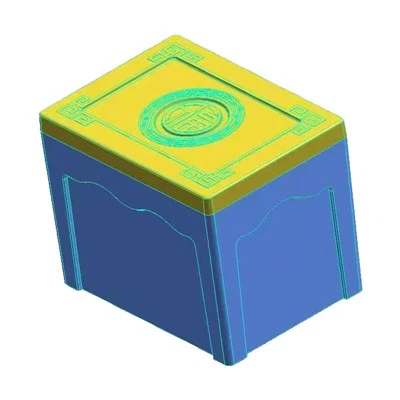
If you’re in the market for an urn, whether for a family member or for a customer you’re serving, don’t just look at the urn as a container. Think about the cultural and emotional significance behind it. I’m here to help you make the right choice. I understand the importance of respecting different cultural taboos and can guide you through the selection process.
Urn If you’re interested in discussing your urn needs, don’t hesitate to reach out. We can have a chat about what kind of urn would be the most appropriate based on your cultural background and personal preferences. Let’s work together to find the perfect urn that honors the memory of your loved one in the most respectful way possible.
References
- "The Cultural Significance of Death and Burial Practices" by Cultural Anthropology Research Group
- "Religious and Cultural Taboos Around the World" by Religious Studies Institute
- "Funeral Customs and Urn Usage in Different Cultures" by Mortuary Science Association
Anhui Herun Handicrafts Co., Ltd.
With abundant experience, we are one of the most professional urn manufacturers and suppliers in China. Please feel free to wholesale high quality urn made in China here from our factory. We also accept customized orders.
Address: No. 8, Xinfa North Road, Industrial Park, Yangcun Town, Tianchang City, Chuzhou City, Anhui Province
E-mail: Anhhr2021@163.com
WebSite: https://www.herungongyi.com/
