Let me start by pulling back the curtain as a coffee bag supplier who’s spent 8 years navigating the thin line between protecting coffee and keeping supply chains transparent: When a customer first leans in over a wholesale order, and their first question isn’t “what’s the minimum order quantity?” or “can you add a one-way degassing valve?” but “are there coffee bags made of aluminum foil?” I know I’m about to walk through one of the most underdiscussed—yet critical—parts of specialty coffee. Coffee Bag
This isn’t a yes or no answer. If it were, I wouldn’t spend 30 minutes explaining the difference to roasters who’ve only ever used compostable mailers or basic plastic bags. Let’s start with the core: Aluminum foil is a barrier material, and for specialty coffee, that barrier matters more than most people realize. Coffee is a living product, even after it’s roasted. It off-gasses (that’s the CO2 releasing after roasting), it absorbs flavors from its environment (think: the faint scent of detergent from a warehouse floor, or the cardboard in a shipping box), and it oxidizes faster than a cut apple left on a counter.
Aluminum foil’s superpower here is that it’s a metal layer—one that doesn’t let light, oxygen, or moisture through. That’s non-negotiable for many roasters I work with, especially those shipping single-origin beans across continents or storing their inventory for 6+ months before sale. If you’ve ever had a bag of coffee that tasted flat, cardboardy, or like something it definitely didn’t roast with? Chances are it was packed in a bag with a weak barrier, or no metal layer at all.
But here’s where it gets tricky: Most coffee bags aren’t 100% aluminum foil. If you think a foil bag is just a sheet of metal crimped shut, you’re half right—and you’d have a bag that tears easily, doesn’t seal well, and costs 3x more than it needs to. The coffee bags we supply as a manufacturer are laminated structures, usually 3-5 layers, and one of those layers is aluminum foil, not the entire bag. Let me break down the layers, because this is what separates a cheap, flimsy foil bag from one that actually does its job: The inner layer is usually food-safe plastic (like LDPE or a compostable alternative now) that touches the beans—no need for metal there; the middle layer is the aluminum foil, which handles the barrier work; the outer layer is a print-friendly material (matte PET or paper, for example) that lets roasters add their logos, origin stories, and brew notes.
Wait, why not just use 100% aluminum? Two reasons: Cost and function. Aluminum is expensive, and roasters already operate on thin margins, especially small-batch specialty roasters. Also, pure aluminum is too rigid for a coffee bag—you can’t crimp it shut tightly, and it doesn’t stand upright on a store shelf (unless you add a bottom gusset, which works best with a flexible laminate). That’s why even the highest-barrier foil coffee bags are hybrids.
Now, let’s address the elephant in the room: Sustainability. Over the last 5 years, I’ve had more roasters ask to switch away from foil, not because they don’t need the barrier, but because they’re trying to reduce plastic waste. This is where things get interesting, and where I’ve had to learn to balance what’s best for the coffee with what’s best for the planet. Aluminum foil coffee bags are recyclable in most curbside programs, but only if the laminate is designed for recycling—many old-style foil bags have mixed layers that can’t be separated, so they end up in landfills. That’s why, in the last 2 years, we’ve shifted a lot of our foil bag stock to recyclable laminates, or even compostable foil alternatives (made with plant-based barriers that match aluminum’s performance, minus the metal).
I remember a conversation last year with a small roaster out of Portland—they were losing 15% of their inventory to spoilage because their old paper bags let too much air in. They tried my standard foil-laminated bags, and their spoilage dropped to 1%, but then they told me their customers were complaining about “too much plastic packaging.” So we worked on a custom order: a thin aluminum foil layer paired with a home-compostable outer paper, so the bag is recyclable in commercial composting, and only 15% aluminum by weight. It cost a little more, but they went from 15% spoilage to 0%, and their customers didn’t protest—win-win.
Another misconception I hear all the time: Foil bags block degassing, which means the one-way valve is unnecessary. That’s a myth. The middle aluminum layer is airtight, but the one-way degassing valve (a small, resealable hole in the bag) lets that CO2 escape without letting oxygen back in. For roasted coffee, holding that CO2 too long can make the bag burst— I’ve seen it happen. A roaster I worked with in 2020 skipped the valve to save money, and 2000 bags of their holiday blend blew up in a warehouse. It was a mess, and we ended up re-bagging all of them at no cost. Now, every foil coffee bag we supply comes standard with a food-safe degassing valve, unless a customer specifically opts out (which almost never happens).
Let’s talk about different types of foil coffee bags, because not all are created equal. We make three main styles: First, stand-up pouches with a full aluminum middle layer—these are the highest barrier, used for bulk wholesale orders and roasters shipping green beans or dark roast beans that hold up better to long shelf life. Second, flat bottom bags, which are the most popular for retail: they have a wide base, stand on shelves, and use a thinner aluminum layer to keep costs down without sacrificing barrier. Third, mini foil bags for sample pods or single-serve portions—these use super thin aluminum foil, but paired with a heat-seal inner layer, so they’re great for small batches and specialty blends that get eaten fast.
I also get questions about how foil coffee bags compare to other types. Paper bags? No barrier, so beans go stale in 2-4 weeks. Plastic-only bags? Good for short-term storage, but not for beans that need to last. Glass jars? Heavy, breakable, and way too expensive for mass shipping. Foil-laminated bags are the sweet spot: they protect the coffee, are lightweight for shipping, and flexible enough to print on.
But here’s what I tell every customer, new or returning: You don’t need 100% aluminum. You need a barrier that matches your needs. If you’re a roaster selling local, single-origin beans that people buy within a week of roasting, a thin foil laminate works fine, and you can even go for a recyclable option. If you’re shipping beans to Europe, where they’ll sit in customs for 3 weeks, you need a thicker aluminum layer. If you’re selling canned coffee or cold brew pouches? Foil is still the way to go—light and oxygen can ruin cold brew flavors just as fast as hot coffee.
Last month, a customer from Mexico reached out because their existing foil bags were tearing in transit. They’d been buying cheap foil bags from a generic supplier, and the middle layer was too thin—just 0.5 millimeters, which is the minimum to block light, but not enough to stand up to rough shipping. We worked with their team to adjust the laminate: 0.8 millimeters of aluminum, a sturdier outer layer, and reinforced side seams. We cut their tear rate by 90% on the first shipment, and they’ve been a repeat customer ever since. That’s the thing about being a coffee bag supplier: it’s not just selling a product. It’s problem-solving. I’ve had roasters ask for bags that can handle 10 pounds of beans, bags that are resealable so customers can close them after opening, even bags that smell like vanilla (don’t ask, it was a custom order for a flavored coffee blend).
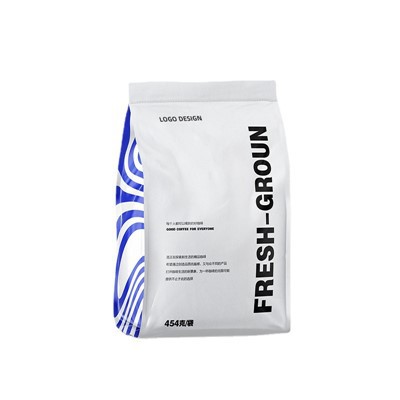
Now, let’s circle back to the original question: “Are there coffee bags made of aluminum foil?” Yes, but not the ones you might think. They’re hybrid laminated bags, with aluminum as the critical middle layer, built to protect coffee at every step. And if you’re a roaster, cafe, or brand owner looking for the right bag—whether you need 100 units for a new line, or 100,000 for a national rollout—let’s talk. We can customize the size, barrier, print, and even sustainability features to fit your exact needs. There’s no one-size-fits-all when it comes to coffee bags, and the last thing we want is for your beans to end up stale because you picked the wrong bag.
Coffee Bag References:
- Specialty Coffee Association. (2022). Packaging Barriers and Coffee Freshness: A Practical Guide for Roasters.
- Sustainable Packaging Coalition. (2023). Life Cycle Assessment of Barrier Laminates for Food Packaging.
- National Coffee Association USA. (2021). Retail Packaging Trends and Shelf Life Optimization for Specialty Coffee.
- European Bioplastics. (2022). Compostable Alternatives to Aluminum Barrier Layers for Food Packaging.
- International Coffee Organization. (2020). Degassing Behavior of Roasted Coffee and Packaging Requirements.
Shenzhen Hongbang Packaging Production Co., Ltd.
We are one of the most experienced coffee bag manufacturers and suppliers in China, specialized in providing high quality custom service. Please feel free to buy bulk coffee bag made in China here from our factory. For quotation and free sample, contact us now.
Address: Room 601, BLDG D, Wisdom Centre, No. 58 Nanlian Road, Longgang, Shenzhen China 518116
E-mail: pm@hongbangpack.com
WebSite: https://www.hongbangpack.com/
