As a supplier of Ready To Assemble (RTA) kilns, I’ve encountered numerous inquiries regarding fire – safety concerns associated with these products. In this blog post, I aim to delve into this topic, providing comprehensive and scientifically – sound information to address any apprehensions potential customers may have. Ready To Assemble Kiln
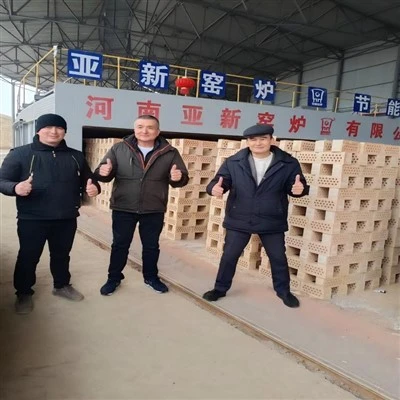
Understanding the Basics of RTA Kilns
Ready To Assemble kilns are designed with convenience in mind. These kilns come in pre – fabricated components, allowing customers to assemble them at their desired location. They are commonly used in various applications such as pottery, metalworking, and glass fusing. The design philosophy behind RTA kilns is to offer a cost – effective and accessible solution for individuals and small businesses without the need for complex installation procedures.
Key Components and Their Fire – Safety Implications
Heating Elements
The heating elements are the heart of any kiln. In RTA kilns, these are typically made of materials like Kanthal wire or silicon carbide. Kanthal wire is a nickel – chromium alloy that can reach high temperatures while maintaining its structural integrity. Silicon carbide elements, on the other hand, are known for their high – temperature resistance and excellent electrical conductivity.
From a fire – safety perspective, these heating elements are engineered to operate within specific temperature ranges. Overheating can occur if the kiln is used beyond its rated capacity or if there are issues with the electrical supply. To prevent this, modern RTA kilns are equipped with temperature controllers that regulate the power supplied to the heating elements. This ensures that the temperature remains stable and within safe limits.
Insulation Materials
Insulation plays a crucial role in both the energy efficiency and fire – safety of a kiln. RTA kilns often use materials such as ceramic fiber insulation. Ceramic fiber is a lightweight and highly effective insulator that can withstand high temperatures. It helps to contain the heat within the kiln chamber, reducing heat loss to the surrounding environment.
In terms of fire safety, ceramic fiber insulation has a high melting point and is non – combustible. This means that it will not catch fire even when exposed to the high temperatures generated inside the kiln. However, it is important to handle ceramic fiber insulation with care during assembly, as the fibers can be irritating to the skin, eyes, and respiratory system.
Kiln Shell and Structure
The kiln shell is usually made of metal, such as steel. Steel is a strong and durable material that can withstand the mechanical stresses associated with the expansion and contraction of the kiln during heating and cooling cycles. It also provides a physical barrier between the hot interior of the kiln and the external environment.
To enhance fire safety, the kiln shell is often coated with a heat – resistant paint or finish. This helps to prevent the metal from reaching its ignition point and also protects it from corrosion. Additionally, the structure of the RTA kiln is designed to ensure proper ventilation. This allows hot air and any potentially combustible gases to escape safely, reducing the risk of a buildup that could lead to a fire.
Common Fire – Safety Concerns and Mitigation Strategies
Electrical Malfunctions
One of the most common fire – safety concerns with any electrical appliance, including RTA kilns, is the risk of electrical malfunctions. These can be caused by factors such as faulty wiring, overloading the electrical circuit, or damaged electrical components.
To mitigate this risk, RTA kilns are tested thoroughly before leaving the factory to ensure that all electrical connections are secure and that the wiring meets safety standards. Additionally, customers are provided with detailed installation instructions that include guidelines on proper electrical installation. It is also recommended to use a dedicated electrical circuit for the kiln to prevent overloading.
Improper Use and Maintenance
Another significant concern is improper use and maintenance of the kiln. For example, placing flammable materials too close to the kiln or using the kiln without following the recommended operating procedures can increase the risk of fire.
To address this, we provide comprehensive user manuals with our RTA kilns. These manuals include detailed instructions on how to use the kiln safely, as well as maintenance schedules and procedures. Regular maintenance, such as checking the heating elements for damage, inspecting the insulation for signs of wear, and cleaning the kiln interior, can help to prevent fire hazards.
Ventilation Issues
Inadequate ventilation can lead to the buildup of combustible gases and excessive heat, increasing the risk of a fire. RTA kilns are designed with proper ventilation systems that allow hot air and gases to escape. However, it is important for users to ensure that the ventilation ducts are not blocked and that the kiln is installed in a well – ventilated area.
We recommend installing the kiln in an area with good air circulation, such as a workshop with open windows or a dedicated kiln room with a ventilation fan. This helps to maintain a safe environment and reduces the risk of fire.
Industry Standards and Certifications
Our RTA kilns are manufactured in accordance with strict industry standards and certifications. These standards are set by organizations such as the International Electrotechnical Commission (IEC) and the Underwriters Laboratories (UL).
Compliance with these standards ensures that our kilns meet the highest levels of safety and quality. For example, UL certification indicates that the kiln has undergone rigorous testing to ensure that it is safe to use in terms of electrical safety, fire safety, and mechanical integrity.
Conclusion
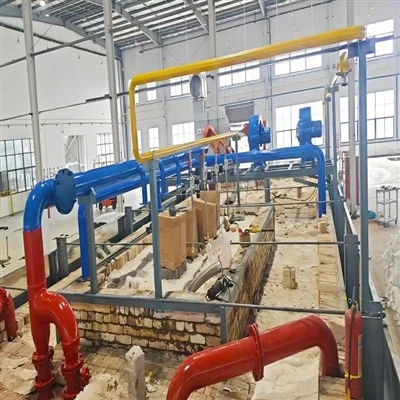
In conclusion, while there are potential fire – safety concerns associated with using a Ready To Assemble kiln, these concerns can be effectively managed through proper design, installation, use, and maintenance. Our RTA kilns are designed with multiple safety features to minimize the risk of fire, and we provide customers with the necessary information and support to ensure safe operation.
Tunnel Kiln If you are considering purchasing an RTA kiln for your pottery, metalworking, or glass – fusing needs, we encourage you to contact us for more information. Our team of experts is ready to assist you in selecting the right kiln for your application and can provide guidance on installation and safety procedures. We look forward to working with you and helping you achieve your creative goals in a safe and efficient manner.
References
- International Electrotechnical Commission (IEC) standards for electrical equipment.
- Underwriters Laboratories (UL) standards for kiln safety.
- Technical literature on ceramic fiber insulation and its properties.
- Research on the performance and safety of Kanthal wire and silicon carbide heating elements.
Henan Yaxin Kiln Co., Ltd.
Henan Yaxin Kiln Co., Ltd. is one of the most professional ready to assemble kiln manufacturers and suppliers in China. With abundant experience, we warmly welcome you to buy high quality ready to assemble kiln with the latest design from our factory. Good service and punctual delivery are available.
Address: Jixian Industrial Zone, Shangqiu City, Henan Province
E-mail: 1543563178@qq.com
WebSite: https://www.hnyxkiln.com/
