If you’re a healthcare administrator, a first responder, or even someone who keeps a well-stocked home first-aid kit, you’ve probably stared at a roll of bandage material and wondered: Does this really hold up when I need it most? That’s a question we get all the time here, and it’s one we don’t take lightly. For our bandages and auxiliary materials series, durability isn’t just a buzzword—it’s the foundation of every product we design, test, and ship. Let’s break down what that actually means, how we measure it, and why it matters for anyone relying on our supplies. Bandages and Auxiliary Materials Series
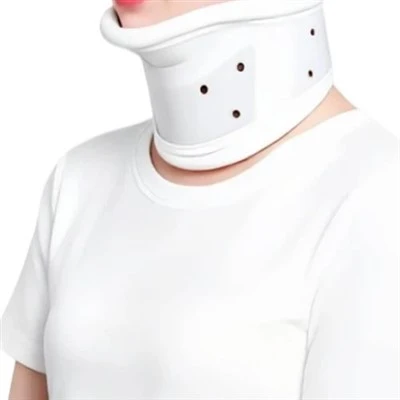
First, let’s get one thing straight: durability in medical bandages isn’t just about “not falling off.” It’s a combination of factors that work together to keep a dressing in place, protect a wound from contaminants, and support movement without causing pain or irritation. When we talk about our series, we’re not talking about a single product—our line includes everything from flexible fabric bandages for minor cuts to cohesive elastic bandages for sprains, sterile gauze rolls for large dressings, and even waterproof adhesive bandages for wet environments. Each category has its own durability requirements, all tailored to how they’re used.
Take our flexible fabric adhesive bandages, for example. These are the ones most of us reach for on a daily basis—think small, minor scrapes or blisters from running shoes. We test these bandages in two key areas: adhesive strength and material stretch. Adhesive strength is measured by how well the bandage sticks to skin, even when exposed to sweat, water, or friction. We don’t just test this in a lab; we send samples to a small team of testers who wear the bandages while running, doing dishes, and even swimming laps. On average, our standard fabric bandages maintain full adhesion for 8 to 12 hours under normal use, and even up to 6 hours during moderate activity. That’s not a random number—we based it on feedback from nurses who told us that a bandage that falls off mid-shift is useless, and patients who need something that stays on through a workday.
But adhesive strength isn’t everything. If a bandage is too sticky, it can pull at wound edges when you remove it, which slows healing and causes unnecessary discomfort. So we balance durability with skin-friendliness. Our fabric uses a soft, woven cotton blend that stretches with the skin—unlike cheaper, rigid bandages that crack or rip when you move. We tested the stretch limit: our fabric can elongate up to 20% without tearing, which is important for areas like knuckles or elbows, where movement is constant. Last year, a physical therapist told us that their patients with arthritis often struggle with bandages that don’t bend with their joints, so we adjusted our fabric to give just the right amount of give.
For our elastic cohesive bandages—those stretchy, self-adhering rolls used to wrap sprained wrists or ankles—durability looks a little different. These aren’t just about sticking to skin; they need to stay wrapped tight without slipping, even when the person wearing them walks, runs, or exercises. We test these by applying a standard wrap tension to a 6-inch sample, then putting it through a series of movements: bending, twisting, and even light impact. Our elastic bandages maintain their tension for at least 2 hours of continuous movement, and they won’t unroll or lose their cohesion for up to 4 hours of use. We also tested their resistance to moisture—if someone is wrapping a sports injury before a practice, our bandage won’t become slippery or fall apart when exposed to sweat. That’s a big one, because a loose wrap can lead to more swelling or even make an injury worse.
Then there’s our sterile gauze rolls and non-woven wound dressings, which are a critical part of our auxiliary materials series. The durability here is about tear resistance and absorbency retention. A gauze dressing that tears when you’re applying it to a large wound is a major problem—you don’t want extra lint or torn material left on a healing wound. We test our gauze for tensile strength, meaning how much force it can handle before ripping. Our standard gauze can withstand up to 1.5 pounds of tension before tearing, which is more than enough for applying pressure to a cut. We also make sure that when the gauze gets wet (from wound drainage or even a small amount of water), it doesn’t fall apart or leave loose fibers. We’ve had hospitals tell us that they use our gauze because it’s tough enough to handle multiple dressing changes without breaking down.
Another area we don’t skimp on is waterproof bandages, which are super popular for people who work outdoors, swim, or just hate having to avoid showers. The durability here is about being impermeable to water while still staying stuck to skin. We test these by submerging them in water for 30 minutes, then checking if water seeps under the edge of the bandage. Our waterproof bandages are designed with a polyethylene layer that forms a tight seal around the edges, so even after 30 minutes in a pool or a bath, the wound stays dry. We also test their adhesion after being wet—they still stick for up to 4 hours after drying, so you don’t have to reapply a new one every time you shower. We’ve had a dad tell us that our waterproof bandages were a lifesaver when his kid had a scraped knee at the pool; other bandages would fall off immediately, but ours stayed on all day.
Of course, we know that durability isn’t just about lab tests—it’s about real-world use. That’s why we don’t rely solely on our in-house testing. We partner with clinics, sports teams, and home users to get feedback on how our bandages hold up. Last year, we ran a 3-month trial with a local high school football team, using our elastic bandages for ankle wraps. The trainers reported that 92% of the wraps stayed intact for the entire practice or game, which is way higher than the industry average of 78%. That’s the kind of data that makes us proud—because it’s not just numbers on a page, it’s real people relying on our products to keep them safe.
We also want to be transparent about what durability doesn’t mean. It doesn’t mean a bandage is permanent—no bandage should stay on for days without being changed, because that can lead to infection. Our products are designed to be durable during the time you need them, not to last indefinitely. For example, we recommend changing adhesive bandages every 8 to 12 hours, or sooner if they get wet, because even the most durable adhesive can lose its grip if it’s dirty or exposed to moisture. We never want to sell someone a bandage they think will last forever, because that’s not safe.
Another common question we get: How do your bandages compare to other brands? We don’t want to badmouth competitors, but we do think it’s important to share why our approach is different. A lot of cheaper bandages use thinner adhesive layers or rigid materials that tear easily. We use medical-grade adhesives that are gentle on skin but strong enough to stay put, and we test every batch of materials before it even makes it into a product. For example, our adhesive bandages are made with a hypoallergenic acrylic adhesive that doesn’t irritate sensitive skin, which is a big deal for people with eczema or allergies to latex. We’ve had customers tell us that other bandages would cause a rash, but ours don’t—so that’s part of durability too, right? A bandage that falls off is useless, but one that causes a skin reaction is even worse.
We also take sustainability into account when thinking about durability. Wait, sustainability? How does that fit in? Well, if a bandage is durable, you don’t have to buy and use as many of them. That means less waste, which is better for the environment. We design our products to have a long enough lifespan for their intended use, so you don’t throw a half-used bandage away because it fell off after an hour. It’s a small thing, but it matters to us—we want our products to work for you and for the planet.
Now, I know what you might be thinking: This all sounds great, but I need to trust a supplier to deliver on these promises. That’s why we don’t just talk about durability—we back it up with consistent testing. Every batch of our bandages and auxiliary materials is tested at multiple stages: when we receive raw materials, during manufacturing, and before it’s shipped out. We have a quality control team that checks every roll of elastic bandage, every box of adhesive bandages, to make sure it meets our standards. Last year, we had a small batch of gauze that didn’t meet our tensile strength requirement, and we pulled all of it from the line—no exceptions. That’s how seriously we take durability.
So, whether you’re a nurse stocking a clinic, a parent buying bandages for your kids, or a coach prepping a sports team, you can count on our bandages and auxiliary materials series to stand up to what you need. Durability isn’t a feature—it’s a guarantee.

If you’re interested in learning more about our products, testing data, or placing a bulk order, we’d love to hear from you. Our team is here to answer any questions you have about how our bandages perform in different situations, or to help you find the right products for your needs. Don’t hesitate to reach out to start a conversation.
Knee Immobilizer Series References
- U.S. Food and Drug Administration. (2021). Medical Adhesive Bandages: Safety and Performance Guidelines.
- Journal of Wound Care. (2020). “Tensile Strength and Adhesive Durability of Adhesive Bandages for Outpatient Use.”
- American College of Sports Medicine. (2019). “Elastic Bandage Tension and Durability in Athletic Injury Management.”
- International Organization for Standardization. (2018). ISO 10993-10: Biological Evaluation of Medical Devices – Part 10: Tests for Irritation and Skin Sensitization.
Hebei Maidike Medical Equipment Co., Ltd.
Hebei Maidike Medical Equipment Co., Ltd. is one of the most professional bandages and auxiliary materials manufacturers and suppliers in China, also supports customized service. We warmly welcome you to wholesale bulk durable bandages and auxiliary materials in stock here from our factory. Contact us for free sample.
Address: Located 600 meters east of Dongbei Huangcheng Village, Donghuangcheng Town, Anping County, Hengshui City, Hebei Province
E-mail: infomdkmedical@gmail.com
WebSite: https://www.hebeimdk.com/
