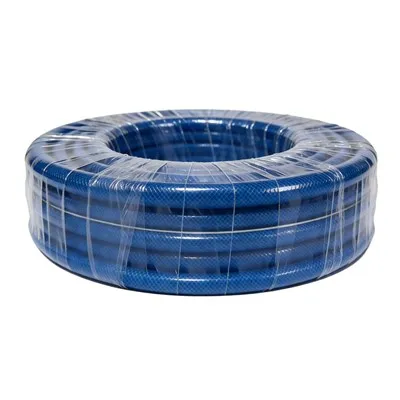
As a seasoned garden hose supplier, I often get asked a fundamental question by gardening enthusiasts and professional landscapers alike: “Can I use a garden hose for watering flower beds?” The straightforward answer is yes, you can. But let’s delve deeper into this topic to understand the nuances, benefits, and best practices associated with using a garden hose for your precious flower beds. Garden Hose
The Basics: Why a Garden Hose is a Great Choice
First off, a garden hose provides unparalleled flexibility. Unlike fixed irrigation systems, which are often set in one position, a garden hose can be moved around the flower beds with ease. You can water specific plants that need more attention, reach those hard – to – access corners, and adjust the flow and direction of water depending on the size and type of your flower beds.
From a cost – effectiveness perspective, garden hoses are incredibly affordable. Setting up an elaborate sprinkler system or a drip irrigation setup can be costly and may require professional installation. In contrast, a good – quality garden hose is a one – time purchase that can serve your watering needs for years to come.
Another significant advantage is water conservation. With a garden hose, you have direct control over the water flow. You can monitor how much water each plant is getting and avoid over – watering, which is a common problem in some automated irrigation systems. This not only protects your plants from water – related diseases but also saves you money on your water bill in the long run.
Types of Garden Hoses and Their Suitability for Flower Beds
When it comes to watering flower beds, not all garden hoses are created equal. Here are the main types available in the market and how they can benefit your flower beds:
Rubber Hoses
Rubber hoses are known for their durability. They can withstand harsh weather conditions, whether it’s extreme heat or freezing cold. Their flexibility makes them easy to maneuver around flower beds of all shapes and sizes. Rubber hoses also have a smooth interior, which allows for a consistent water flow. This is especially important when watering delicate flower beds, as uneven water pressure can damage the plants.
PVC Hoses
PVC hoses are lightweight and relatively inexpensive. They are a popular choice for smaller flower beds in residential gardens. While they may not be as durable as rubber hoses, they are still perfectly capable of delivering a steady stream of water to your flowers. PVC hoses are also available in a variety of colors, which can add a touch of aesthetic appeal to your garden.
Expandable Hoses
Expandable hoses are a newer innovation in the garden hose industry. When filled with water, they expand to several times their original length, and when the water is turned off, they shrink back down. This makes them easy to store, especially if you have limited space. They are ideal for small to medium – sized flower beds, as they can reach different areas without the need for a lot of coiling and uncoiling.
Best Practices for Using a Garden Hose to Water Flower Beds
Now that we’ve established that a garden hose is an excellent choice for watering flower beds, let’s look at some best practices to ensure you get the most out of your watering routine:
Choose the Right Nozzle
The nozzle you attach to your garden hose can make a significant difference in how effectively you water your flower beds. For delicate flowers, a gentle mist nozzle is ideal as it won’t damage the petals or wash away the soil. If you have larger plants or areas that need a more concentrated stream of water, a jet or shower nozzle might be more suitable.
Water at the Right Time
It’s best to water your flower beds early in the morning or late in the evening. During these times, the temperature is cooler, and there is less evaporation. This means that more water will reach the roots of your plants, where it’s needed most. Watering in the middle of the day, when the sun is at its peak, can lead to a lot of water being wasted through evaporation.
Be Mindful of Water Pressure
Avoid using high water pressure on your flower beds, as this can cause soil erosion and damage the plants. Start with a low pressure and gradually increase it if necessary. You can also use a pressure regulator to ensure a consistent and gentle flow of water.
Water at the Base of the Plants
To encourage healthy root growth, aim the water at the base of the plants rather than directly on the leaves. Wet leaves can attract pests and diseases, while watering at the base ensures that the water goes straight to the roots, where it can be absorbed more efficiently.
Overcoming Common Challenges
Like any gardening tool, using a garden hose for watering flower beds comes with its own set of challenges. Here are some common issues and how to overcome them:
Kinking
One of the most frustrating problems with garden hoses is kinking. To prevent this, make sure you store your hose properly when not in use. Coil it neatly and avoid placing heavy objects on it. If you do encounter a kink, gently straighten the hose and try to find the source of the blockage.
Leakage
A leaking hose can waste a lot of water and make your watering process less efficient. Check your hose regularly for leaks, especially at the connections. If you find a leak, you can use a hose repair kit to fix it. In some cases, it may be more cost – effective to replace the damaged section of the hose.
Sun Damage
Prolonged exposure to sunlight can cause some garden hoses to deteriorate over time. To protect your hose from sun damage, store it in a shaded area when not in use. Some hoses also come with UV – resistant coatings, which can extend their lifespan.
Conclusion
In conclusion, using a garden hose for watering flower beds is a practical, cost – effective, and efficient solution. With the right type of hose, nozzle, and watering techniques, you can ensure that your flower beds receive the perfect amount of water for healthy growth. Whether you’re a novice gardener or a seasoned pro, a garden hose is an essential tool in your gardening arsenal.
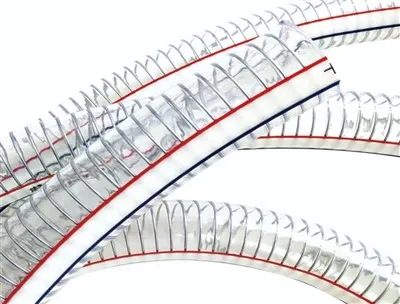
PVC Suction Pipe If you’re interested in upgrading your garden hose or looking for the perfect solution for your flower beds, I’d love to have a conversation with you. Our team of experts is here to help you choose the best garden hose for your specific needs. Contact us to discuss your requirements and start enhancing your gardening experience today.
References
- “The Science of Gardening: Watering Techniques”. Gardening Today Magazine. 2022 Edition.
- “Garden Hose Materials and Their Performance”. Horticulture Research Journal. Vol. 15, Issue 3.
- “Best Practices for Watering Flower Beds”. National Gardening Association Handbook, 2023.
Weifang Xinzhiyuan Plastic Co., Ltd.
As one of the most experienced garden hose manufacturers and suppliers in China, we offer a wide range of products with superior quality. Please feel free to wholesale premium garden hose made in China here from our factory. We also accept customized orders.
Address: No. 700, Tongle Street, Economic Development Zone, Changle County, Weifang City, Shandong Province
E-mail: hua@xzypvchose.com
WebSite: https://www.pvchose-xzy.com/
