Hey there! I’m a supplier of FRP (Fiber Reinforced Plastic) tanks, and I often get asked about how to test the quality of these tanks. It’s super important because a high – quality FRP tank can serve you well for years, while a sub – par one might cause all sorts of headaches. So, in this blog, I’m going to share some practical ways to test the quality of FRP tanks. FRP Tanks

Visual Inspection
The first step in testing an FRP tank is a simple visual check. You don’t need any fancy equipment for this one. Just take a good look at the tank’s surface.
-
Surface Finish: A quality FRP tank should have a smooth surface. Any rough patches, bumps, or unevenness can be a red flag. These imperfections might indicate problems during the manufacturing process, like improper resin application or fiber placement. For example, if there are visible air bubbles on the surface, it could mean that the resin wasn’t properly degassed, which can weaken the tank’s structure over time.
-
Color Consistency: The color of the tank should be uniform. If you notice any streaks, blotches, or areas where the color looks different, it might suggest that the resin and pigment were not mixed well. In some cases, inconsistent color can also be a sign of poor quality raw materials.
-
Cracks and Holes: Look closely for any cracks, holes, or delamination (where the layers of the FRP start to separate). Even small cracks can grow over time, especially if the tank is under pressure or exposed to harsh chemicals. Holes are obviously a big problem as they can cause leaks, and delamination can significantly reduce the tank’s strength.
Physical Testing
After the visual inspection, it’s time to move on to some physical tests. These tests can give you a better idea of the tank’s strength and durability.
-
Hardness Test: You can use a hardness tester to measure the hardness of the FRP. A proper hardness indicates that the resin has cured correctly. If the tank is too soft, it might not be able to withstand the pressure or the weight of the contents it’s supposed to hold. On the other hand, if it’s too hard, it could be brittle and more prone to cracking.
-
Impact Test: This test involves hitting the tank gently with a non – sharp object, like a rubber mallet. A high – quality FRP tank should be able to withstand a certain amount of impact without cracking or breaking. However, you need to be careful not to use too much force, as that could damage a good – quality tank as well. If the tank chips, cracks, or shows signs of significant damage after a gentle impact, it might not be of good quality.
-
Flexibility Test: FRP tanks should have a certain degree of flexibility. You can try gently bending or flexing a small section of the tank (if possible). If it breaks or cracks easily during this test, it might not be able to handle the normal stresses that it will encounter during its use, such as expansion and contraction due to temperature changes.
Chemical Resistance Testing
Since FRP tanks are often used to store chemicals, it’s crucial to test their chemical resistance.
-
Immersion Test: Take a small sample of the FRP material from the tank (if allowed) and immerse it in the chemical that the tank will be storing. Leave it for a specific period, say a few days or weeks, depending on the chemical. After that, check the sample for any signs of degradation, such as swelling, discoloration, or a change in hardness. If the sample shows significant degradation, it means the tank might not be suitable for storing that particular chemical.
-
Surface Exposure Test: Instead of immersing the whole sample, you can also just expose the surface of the tank to a small amount of the chemical. Observe the area for any immediate reactions, like bubbling or corrosion. This can give you a quick idea of how the tank will react to the chemical.
Pressure Testing
If the FRP tank is designed to hold liquids or gases under pressure, pressure testing is a must.
-
Hydrostatic Testing: This is a common method for testing tanks that will hold liquids. Fill the tank with water and then gradually increase the pressure to the maximum operating pressure that the tank is designed for. Keep the pressure at this level for a certain period, usually around 30 minutes. During this time, check for any leaks, bulges, or other signs of failure. If the tank can withstand the pressure without any issues, it passes the test.
-
Pneumatic Testing: For tanks that will hold gases, pneumatic testing can be used. Instead of water, the tank is filled with air and then pressurized. However, pneumatic testing is more dangerous than hydrostatic testing because air is compressible, so it needs to be done with extra caution.
Leak Testing
Even if the tank passes the pressure test, it’s still important to do a separate leak test.
-
Soap Bubble Test: This is a simple and effective way to check for leaks. Mix some soap with water to create a soapy solution. Then, apply the solution to all the joints, seams, and potential leak points of the tank. If there is a leak, air or liquid will escape and form bubbles in the soapy solution. This method can detect even small leaks.
-
Electronic Leak Detection: For more precise and hard – to – detect leaks, electronic leak detection systems can be used. These systems use sensors to detect the presence of any escaping liquid or gas.
Material Analysis
Sometimes, it’s necessary to do a more in – depth analysis of the materials used in the FRP tank.
-
Fiber Content Analysis: The amount and type of fiber in the FRP can significantly affect its strength. You can use techniques like burn – off tests to determine the fiber content. In a burn – off test, a small sample of the FRP is heated until the resin burns away, leaving only the fibers. By weighing the remaining fibers, you can calculate the fiber content.
-
Resin Analysis: Analyzing the resin can also provide valuable information. You can test the resin for properties like its chemical composition, viscosity, and curing properties. This can help you determine if the resin used is of good quality and suitable for the tank’s intended use.
Documentation and Certification
Don’t forget to check the documentation and certifications that come with the FRP tank. A reputable supplier should provide a certificate of compliance that shows the tank meets all the relevant industry standards and specifications. This certificate is a good indication that the tank has been properly tested and is of good quality.
In conclusion, testing the quality of FRP tanks involves a combination of visual, physical, chemical, pressure, and leak tests, as well as material analysis. By following these steps, you can ensure that you’re getting a high – quality FRP tank that will serve you well.
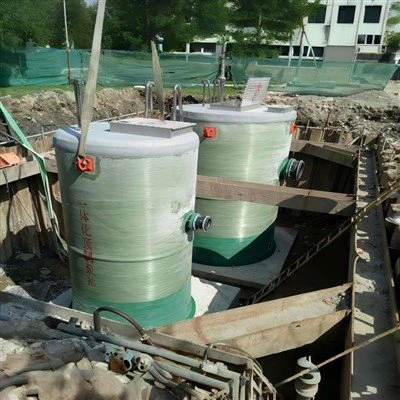
If you’re in the market for FRP tanks and want to learn more about our products or have any questions about the quality testing process, don’t hesitate to reach out for a purchase consultation. I’m here to help you make the best choice for your needs!
Hand Truck References
- Industry standards for FRP tanks (various standards organizations)
- Textbooks on composite materials and tank manufacturing
- Personal experience and knowledge from working in the FRP tank supply industry
Hebei Weihan Environmental Protection Equipment Co., Ltd.
We’re well-known as one of the leading FRP tanks manufacturers and suppliers in China, featured by quality products and good service. Please rest assured to buy customized FRP tanks at competitive price from our factory. Contact us for more details.
Address: No. 666 Chuangye Road, Zaoqiang County, Hengshui City, Hebei Province
E-mail: weihanmachine@gmail.com
WebSite: https://www.whanfrp.com/
