If you’ve been researching epoxy floor coatings for your garage, commercial showroom, or warehouse, you’ve probably stumbled upon epoxy floor flakes—tiny, decorative color chips that add depth, slip resistance, and long-lasting protection to concrete floors. As a supplier who’s been working with these flakes for over 12 years, the question I get asked most often isn’t about how to apply them, or what kind of epoxy base works best. It’s this: Can I mix different colors of epoxy floor flakes? Epoxy Floor Flakes
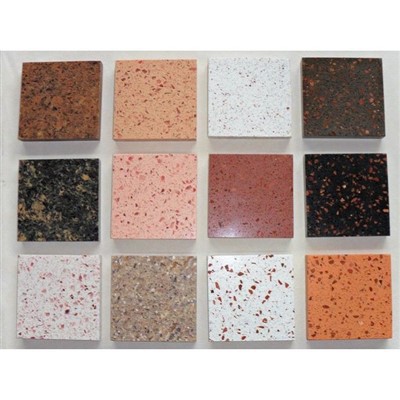
Let me cut right to the chase: Yes, you absolutely can. But before you dump a bag of cobalt blue and a bag of burnt orange into a bucket and pray for the best, there are a few key things I wish every first-time customer knew about mixing epoxy floor flakes. I’ve seen people nail it, and I’ve seen people end up with floors that look like a neon disco ball from the 1970s—stunning for a throwback theme, maybe, if that’s what you’re going for, but not great for a corporate office or a family garage where you actually need functional, easy-on-the-eyes flooring.
First, let’s break down what epoxy floor flakes actually are, because that’s the foundation of why mixing works (and when it doesn’t). These flakes are usually made from either PVC (polyvinyl chloride) or modified acrylic, cured to hold their color even when exposed to UV light, heavy foot traffic, automotive fluids, or regular cleaning chemicals. Unlike cheap decorative chips you’d use for crafts, epoxy flakes are specially sized—most fall between 1/8 inch and 1/2 inch—to stick evenly to wet epoxy, not dissolve, and create a uniform, non-slip surface. Each color is pre-made with consistent pigment levels, so the hue doesn’t fade or streak when mixed, which is a big part of why blending is such a popular customization option.
I first realized how versatile mixing colors could be back in 2015, when a contractor came to me with a request for a coffee shop in Portland, Oregon. The shop’s brand was warm, earthy, tied to Pacific Northwest forests and hand-roasted coffee, so he didn’t want the generic tan or gray that most restaurants went for. He asked for a mix of burnt sienna, soft sage, and a tiny bit of charcoal gray. We tested a small batch in our warehouse that month, and when it cured, it looked like polished stone that echoed sunbaked wood and mossy stone—exactly what the owner wanted. That job turned into 12 more coffee shops in the region that year, all with custom color blends, and that’s when I knew mixing wasn’t just a fluke—it was a game-changer for customers who wanted flooring that wasn’t one-note.
But here’s the thing: mixing epoxy floor flakes isn’t just grabbing random colors and blending them. It’s about balancing shade, size, and proportion to get the look you want. Let’s start with shade theory, because even if you’re not a graphic designer, a little basic color sense goes a long way. If you want a subtle, understated look—great for home garages, retail backrooms, or offices—stick to analogous colors: hues that sit next to each other on the color wheel. Think soft gray paired with a pale blue, or tan mixed with wheat and light oak. The difference between these shades is small enough that when they’re scattered across your floor, they’ll blend gently, creating a multi-tonal surface that doesn’t feel busy.
If you’re going for a bolder look—say, a game room, a music venue, or a retail space that wants to stand out—complementary colors work. Complementary pairs are opposite each other on the color wheel: blue and orange, red and teal, purple and yellow. When you mix these, you get a high-contrast, eye-catching finish. But here’s a pro tip from a supplier who’s seen the mistakes: never mix more than two complementary colors, and keep their proportions uneven. A 70/30 split (like 70% deep blue flakes and 30% tangerine) looks intentional, but a 50/50 mix can look like a paint chip exploded on your floor, which is usually not the vibe you’re going for.
Size matters too, and I don’t just mean the big 1/2 inch vs. small 1/8 inch flakes. When you mix colors, make sure their flake sizes are similar. If you have a handful of oversized 1/2 inch bright red flakes paired with tiny 1/8 inch white flakes, the red ones will stand out like sore thumbs, and you’ll have to overapply the white flakes to balance it out—wasting product and potentially leaving spots that don’t cure evenly. We always recommend mixing flakes of the same size range, within 1/16 inch of each other, for the most uniform distribution. The only exception is if you’re going for a deliberately textured, custom look; we had a client for a boutique ski lodge who mixed 1/2 inch earth-toned flakes with small 1/4 inch snow white flakes, and the contrast worked perfectly for their mountain theme.
Another common mistake I see is overmixing the flakes themselves. Some customers will dump all their colors into one big bucket and stir them together so thoroughly that all the color separates. Wait—no. That’s not how it works. Epoxy flakes are solid, so they don’t dissolve or blend when mixed. If you stir the batch too much, you’ll just end up with a uniform pile of flake chips, but when you broadcast them onto the wet epoxy, the distribution will be uneven. The right way to mix colors is to pour each color into a larger container (like a 5-gallon bucket, which is the standard for most residential and commercial jobs) and gently fold them together with a trowel or a paint stick, just enough to create a random, scattered mix. You want a few clumps of one color here, a few of another there, so when they’re applied, they look natural, not like a pre-mixed paint can.
Now, let’s talk about functional considerations, because epoxy flakes aren’t just pretty—they’re functional. If you’re mixing colors for a high-traffic area, like a warehouse or a auto repair shop, avoid light, pale colors. They show every scuff, oil stain, and scratch, which will require more cleaning and maintenance. Instead, mix medium to dark shades that hold up better over time. We once had a restaurant owner mix pale pink and white flakes for their dining room—they looked beautiful for the first three months, but by six months in, the scuffs from waiters’ shoes and the occasional dropped tray made the floor look dull and dirty, even after weekly mopping. When they re-coated it a year later, they used a mix of terracotta and deep brown, and it’s still looking sharp three years later.
UV exposure is another big one, especially for outdoor floors or spaces with large windows. Some cheaper epoxy flakes (the ones I don’t carry in my inventory, for the record) will fade when exposed to sunlight. When mixing colors, make sure all the flakes you’re using are UV-stabilized, which is what we use for all our products. I once had a customer mix a bright yellow flake with a pale green flake for their sunroom floor. Within six months, the yellow flade had faded to a dull mustard, and the green looked almost identical, so all the custom blend they’d paid for was gone. Since switching to only UV-stabilized flakes from my suppliers after that, that problem has never come up for our customers.
If you’re still nervous about mixing colors, start small. Most of the time, contractors and homeowners will test a 2×2 foot section of floor with their custom blend before doing the whole job. That’s the smartest move you can make. Epoxy cures in 24 to 48 hours, so you can easily see how the colors look together, if the distribution is even, and if it fits the space. I always tell customers to hold their test chip up to the room’s lighting—natural light during the day, and the kind of artificial light they’ll use at night. Flakes can look totally different in sunlight vs. overhead fluorescent lights, so seeing both will help you avoid a surprise after you’ve coated the whole floor.
Now, let’s get into some common myths I hear all the time. First myth: Mixing colors will void your epoxy warranty. That’s not true, as long as you’re using compatible epoxy base and topcoat products. We always make sure our customers know that as long as they broadcast the flakes properly, let them cure, and apply a clear topcoat, their warranty stays intact. The only time a mix would cause an issue is if you use cheap flakes that aren’t compatible with our epoxy, which is why I always recommend sourcing your flakes from a reputable supplier who knows how to pair products.
Second myth: You can only mix 2 or 3 colors. I’ve had customers ask for 5, even 6 color blends, and I’ve helped them pull it off—though it takes a little more planning. The key is to stick to a cohesive palette so it doesn’t look chaotic. For example, a retail store for natural baby products might want a mix of pale yellow, soft green, light blue, and a tiny bit of tan. That works because all four colors are in the same warm, muted range, so they complement each other instead of clashing. It’s when you throw in bright red, neon pink, and electric blue that it starts to look overwhelming—unless that’s the exact look you’re going for, which I’ve seen work for a youth center or a video game arcade.
Third myth: Mixing flakes is more expensive than buying pre-blended. At my company, we price custom color blends the same as our standard bags of flakes—you just pay for the amount you order, not extra for mixing. The only time you’ll pay more is if you’re ordering a very large custom blend, but even then, it’s rarely more than 10% extra, which is negligible compared to the custom look you get. I always tell customers that the investment in a custom mix is worth it if the floor is a focal point of the space.
I mentioned earlier that I’ve seen mixes go wrong, and it’s almost always because of one small mistake: not broadcasting the flakes evenly, or not sealing them properly. Once a customer from Texas ordered a mix of deep blue and silver flakes for his garage, and he tried to apply them himself without a broadcast spreader. He used a push broom, which left clumps of silver flakes in the driveway and almost no blue flakes on the back wall. When he called me frustrated, I sent a team to reapply it properly, and it turned out amazing, but it taught me that even the best mix is useless if applied incorrectly.
So, to sum up: Yes, you can mix different colors of epoxy floor flakes. It’s a great way to customize your floor to match your space, brand, or personal style. But to get it right, follow these simple rules: mix analogous or complementary colors depending on the look you want, stick to similar flake sizes, fold colors gently instead of overstirring, test your blend in a small section first, use UV-stabilized flakes for high-light areas, and always apply and seal them correctly.

If you’re ready to try a custom mix, or if you have more questions about what colors work for your space, I’m here to help. Whether you’re a homeowner finishing a garage, a contractor working on a commercial project, or a business owner designing a new storefront, I can walk you through color options, test batches, and make sure your epoxy floor looks exactly how you imagined. Don’t leave your flooring to chance—reach out to discuss your custom epoxy floor flake needs today.
Stone Paint Flakes References:
- American Coatings Association. (2021). Decorative Epoxy Coatings: Application Best Practices and Material Compatibility. Washington, D.C.
- International Concrete Repair Institute. (2019). Guideline for Decorative Epoxy Floor Systems. Rosemont, IL.
- National Floor Covering Association. (2022). Selecting and Customizing Epoxy Flake Flooring for Commercial and Residential Spaces. Alexandria, VA.
- PVC Manufacturers Association. (2020). UV-Stabilized Polymer Chips for Floor Coatings: Performance Specifications. Arlington, VA.
Dengjian New Materials Technology Dongtai Co., Ltd.
As one of the most professional epoxy floor flakes manufacturers and suppliers in China, we’re featured by quality products and good price. Please rest assured to buy customized epoxy floor flakes made in China here from our factory. Contact us for pricelist.
Address: Qindong New Materials and Equipment Industrial Park, Dongtai City, Yancheng City
E-mail: 992683005@qq.com
WebSite: https://www.djwallmaterial.com/
