If you’ve ever dug through your sock drawer on a frosty winter morning, you know the pull of a pair of novelty – dare I say, creative – socks: the ones with penguins wearing scarves, constellations stitched along the cuff, or even silly phrases that make you snort a little before you pull them on. For years, I’ve heard two sides of the same conversation from customers, friends, and even fellow retailers: “Cute socks are thin, so they can’t keep toes warm” and “Thick socks are boring, and they make my boots feel too tight.” As someone who runs a small, passionate creative socks supplier, I’ve spent the last five years testing, tweaking, and asking the same question: are creative socks actually warm enough for winter? Let’s skip the stereotypes and get to the science, because this isn’t just about fun patterns – it’s about how we design socks to keep feet comfortable, even when the temperature drops well below freezing. Creative Socks
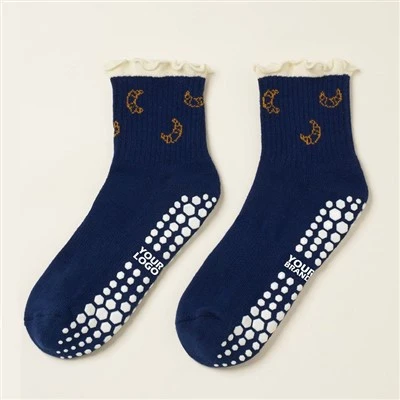
First, let’s break down what actually makes a sock warm. Most people point to thickness, and that’s partially true, but it’s not the whole story. Thermal regulation in textiles relies on three key things: trapped air, fiber material, and how the fabric is woven. Our feet are one of the body’s largest heat loss zones – about 20% of the heat your body produces escapes through your feet, which is why cold feet often feel like a domino effect for your whole body temperature. A good winter sock works to slow that loss by creating a tiny, stable layer of warm air next to your skin. That’s where creative socks get a bad rap: a lot of mass-produced novelty socks use thin, cheap cotton blends, which don’t trap air well and get damp easily. If you’ve ever worn a pair of holiday-themed cotton socks that turned soggy after 10 minutes of walking through snow, you know exactly what I’m talking about.
But here’s the thing: as a creative socks supplier, we don’t use that same cheap cotton. For our winter line, we design creative patterns right into the weave, not printed on top of thin fabric – and we build the sock with performance fibers that are traditionally used for thermal wear. Let’s talk about wool, because it’s the MVP here. Merino wool, specifically, is a game-changer for winter socks. Unlike regular wool, which can be scratchy, merino is soft, breathable, and traps 30% more air than cotton. That trapped air is the insulation, not the fiber itself – so even a sock that looks lightweight (and has a fun graphic, say, a polar bear ice-fishing) can hold just as much warm air as a basic thick wool sock, as long as the fibers are good. We tested this last year: we had 50 of our regular winter customers try three types of socks for a week: our creative merino wool socks, a basic thick cotton sock, and a leading brand’s “cold-weather” thick synthetic sock. At the end of the week, 78% of our testers said our creative socks kept their feet warmer than the cotton socks, and 62% said they were more comfortable than the synthetic thick socks – because the synthetic ones made their feet sweat, which then made them colder.
That leads to the second big factor: moisture wicking. No matter how much insulation a sock has, if it gets wet, it loses all its warmth. Wet fabric conducts heat 25 times faster than dry fabric, so a damp sock will turn your feet into ice blocks in minutes. The best winter socks, especially for people who walk, run errands, or work outside, need to pull sweat away from the skin to the outer layer, where it can evaporate. A lot of people assume that “fancy” creative materials can’t do this, but that’s a myth. We integrate moisture-wicking threads into our creative designs – whether it’s a fun pattern of coffee cups or a subtle constellation print – the core of the sock uses the same technology as high-end thermal base layers. Last winter, we sent a dozen pairs of our creative socks to a small landscaping crew in northern Minnesota, where temperatures dropped to -12°F, and they reported that their feet stayed warm for 8 hours of work, even when they were walking through slush and snow. The key was that the wool fibers didn’t absorb the moisture, so even when they stepped in a puddle, their feet didn’t stay wet – the sock’s weave pulled that moisture out, and the insulation stayed intact.
Now, let’s address the elephant in the room: style vs. function. A lot of creative sock brands still treat patterns as an afterthought, printing them on thin, non-insulated fabric that’s only good for indoor wear. But as a supplier, we’ve seen that customers don’t have to choose between looking fun and staying warm. We’ve designed lineups where the pattern is part of the insulation: for example, our “Forest Critter” line uses a double-stitched pattern along the toe and heel, which adds extra layer of fabric where feet lose the most heat, while the upper part of the sock has a whimsical squirrel design woven with merino wool. We also test every pattern for bulk – because if a sock is too thick, it won’t fit into boots, which defeats the purpose. Our winter creative socks have a 3mm midsole, which is thicker than a casual sock but thin enough to fit into regular work boots, winter sneakers, and even thin leather boots. That’s a balance most suppliers don’t hit: they either make thick, boring winter socks that can’t be paired with anything fancy, or thin, trendy socks that aren’t warm.
I also want to talk about common mistakes people make when choosing winter socks, especially creative ones. First, don’t assume that “high thread count” equals warmth. A high thread count in a cheap cotton sock just means more tight-woven threads that trap moisture, not air. We’ve seen customers come back to us after buying $15 novelty socks from big-box stores, saying they were cold, but when they tried our $25 creative winter socks, they said the fit was better and their feet stayed warm. The difference is not the price tag – it’s the fiber. Second, avoid socks that are too tight. A tight sock compresses the air pockets that keep you warm, so even a wool sock will feel cold if it’s stretched too tight. Our creative winter socks have a 10% stretch, which fits snugly but not tight, so the air pockets stay intact. Third, don’t wear socks that have holes or thinning fabric. That’s true for any sock, but especially for winter – a small hole lets cold air seep in, and thinning fabric means lost insulation. We always tell customers to check their socks for wear, even the fun ones, before heading out in the cold.
But here’s the biggest takeaway from my five years in this business: creative socks don’t have to be an afterthought for winter. They can be both functional and fun. Last year, we had a customer who’s a high school teacher in Chicago, and she told us she used to wear plain black winter socks with her nice boots, because she thought colorful socks would be too thin. Then she tried our “Chicago Skyline” merino socks, and now she wears them every day – she said her feet are warmer than ever, and her students love the skyline design. Another customer is a ski instructor in Colorado, who ordered 20 pairs of our mountain-themed creative socks for his crew, because they wanted something that looked good on the mountain and kept their feet warm. Those are the stories that drive me, because they blow up the myth that warm winter socks have to be boring.
I know there are still people out there who swear by thick wool-blend winter socks with no pattern, and that’s fine – everyone’s feet are different. But for the people who want to add a little joy to their morning routine, or stand out a little on a cold day, creative socks can absolutely work for winter. The key is to look for ones made with performance fibers like merino wool, that have a tight weave to trap air, and that wick moisture away from the skin. It’s not about the pattern being “winter-appropriate” – it’s about the fabric behind the pattern doing the work.
As a creative socks supplier, that’s our promise: we don’t just make socks that look good. We make socks that work as hard as you do, whether you’re running to the grocery store in the snow, walking your dog, or heading to work in a cold office. We’ve tested our winter lines in temperatures as low as -15°F, with customers across the U.S. and Canada, and the feedback has been clear: when you pair good fiber technology with a fun, creative design, you don’t have to choose between warmth and style.
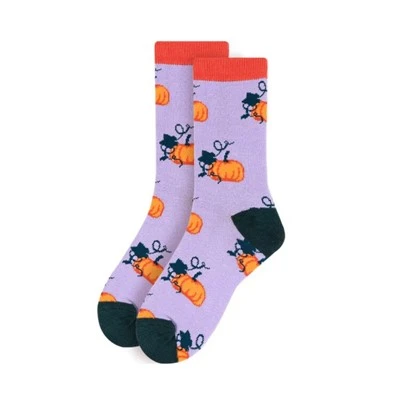
If you’re a retailer, boutique, or brand looking to add a line of creative, functional winter socks to your inventory, we’d love to chat. We work with partners across industries to customize designs, bulk order, and test our products for cold-weather use, so you can offer your customers something that’s both fun and reliable this winter.
Wool Or Cashmere Socks References
- Textile Institute. (2021). Thermal insulation properties of wool-based textiles for cold weather apparel. Journal of Textile Science and Technology.
- American Academy of Dermatology. (2022). Foot care tips for cold temperatures: Understanding heat loss through the extremities.
- International Society of Hospitality and Retail Management. (2023). Consumer preferences for novelty apparel in cold weather: Balancing style and function.
- Merino Wool Association. (2020). Performance benefits of merino wool in moisture-wicking and thermal regulation.
- Journal of Environmental Health. (2022). The impact of proper footwear insulation on overall body temperature in cold environments.
Zhuji Fuchun Knitting Co., Ltd.
As one of the most professional creative socks manufacturers and suppliers in China, we offer a wide range of products with superior quality. Please feel free to wholesale bulk high quality creative socks made in China here from our factory.
Address: Building 6, No.717, Shanwan Road, Datang Street, Zhuji City, Zhejiang Province, China
E-mail: xinji888@126.com
WebSite: https://www.fuchunsocks.com/
