If you’ve ever run your fingers over the interlocking edges of a puzzle piece, felt the weight of smooth timber under your palms, or stopped to admire how a 500-piece scene fits together without a single misaligned click, you’ve encountered a wooden jigsaw puzzle. As a small-batch puzzle supplier with over a decade in the game, I don’t just sell these pieces—I’ve spent thousands of hours cutting them, testing finishes, and learning how a humble wooden puzzle differs from the cardboard boxes most consumers grab at big-box stores. Let’s break down what makes a wooden jigsaw puzzle more than just a collection of shapes, and why it’s become a go-to for puzzle lovers, from casual hobbyists to commercial buyers looking for premium products. Jigsaw Puzzles
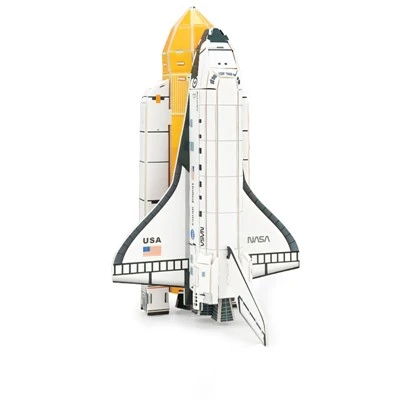
First, let’s start with the basics: a wooden jigsaw puzzle is a interlocking assembly of individual wood pieces, designed to fit together to form a full image. Unlike early hand-cut puzzles from the 1700s—originally made by mounting map pages to wood and cutting shapes to teach geography to children—modern versions blend traditional craftsmanship with modern printing and cutting technology. But the core is the same: each piece’s unique profile, from tiny “tabs” and “slots” that lock in place to intricate edge shapes, requires precision to ensure the whole puzzle comes together smoothly. What sets it apart from cardboard is the material itself: wood is durable, tactile, and often far more eco-friendly than the coated cardboard most mass-market puzzles use. That’s why so many schools, boutique toy stores, and corporate gift buyers turn to wooden puzzles—they’re built to last, not just for a single holiday season.
Let’s talk about the materials, because this is where a supplier’s expertise really matters. Not all wood is equal for puzzles. We don’t use softwoods like pine or cedar, which warp easily and have a coarse texture that doesn’t hold print well. Instead, we rely on hardwoods like birch, maple, and sometimes poplar, because they’re dense, stable, and have a smooth, uniform grain. Birch, for example, is our workhorse: it’s light enough that a 1,000-piece puzzle doesn’t weigh so much it becomes a hassle to move, but dense enough that each cut piece holds its shape perfectly. We source only FSC-certified wood, too—something that’s non-negotiable for our buyers, whether they’re selling to eco-conscious families or looking to hit sustainability targets as a business. No pressure-treated wood, no cheap composites that peel or splinter after a few uses. For a premium puzzle, the wood’s quality is the foundation; if your base material is flimsy, even the most beautiful print will fall apart in a year.
Next, the cutting process. Back in the 18th century, puzzles were cut with a hand jigsaw, a long, thin blade that required hours of work and made every piece slightly unique. Today, most wooden puzzle suppliers use laser cutting or die-cutting, but there’s a right way and a wrong way to do this. Laser cutting gives us crisp, consistent edges, but it can leave a slight burnt mark if we don’t adjust the power level for the thickness of the wood. That’s a trick we learned the hard way—early on, we burned dozens of pieces before figuring out how to set our machines to leave a smooth, unmarked edge. Die-cutting, while more traditional for mass production, is better for larger runs, but it’s less flexible for custom designs. We mix both: for standard stock puzzles, die-cutting keeps costs down, but for custom orders, laser cutting lets us create intricate pieces, like tiny floral shapes or unique edge cuts (some of our popular puzzles have “whimsy pieces”—shaped like animals or objects that don’t look like typical puzzle pieces, scattered throughout the image). Whimsy pieces are a big draw for kids and adults alike, but only if they’re cut cleanly; a lopsided whimsy piece that won’t lock in ruins the whole experience. That’s where our years of testing come in—we check every custom design for lock strength before sending it to clients, so you don’t end up with pieces that fall apart mid-assembly.
The printing process is another key part of what makes a wooden puzzle work. Unlike cardboard, which uses ink that soaks into the paper, wood needs a coating that will hold color without bleeding or fading. We use water-based, UV-cured inks—they’re non-toxic, which is essential for puzzles aimed at young children, and they don’t rub off onto hands or clothes after hours of working on a puzzle. We also apply a matte or semi-gloss finish, depending on the client’s request: matte is great for photo-realistic images, like landscape or art puzzles, while semi-gloss adds a subtle shine that makes product images pop for retail shelves. One thing we never do is use oil-based inks; they can leave a sticky residue on the wood, and over time, they can yellow, making the image look dull. For commercial buyers, that means our puzzles look just as good on the shelf after a year as they did on day one—no faded, smudged prints to turn customers away.
Now, why does this matter for you, whether you’re a consumer looking for a personal project or a business buying in bulk? Wooden puzzles have a lot of advantages over cardboard. First, durability: a high-quality wooden puzzle can last for generations, if stored properly. We’ve had customers tell us their grandparents had a wooden puzzle from the 1960s that’s still in perfect shape, and now they’re passing it down to their kids. Cardboard puzzles, on the other hand, will break if you drop them, get damp, or store them in a closet for a few years. That durability makes wooden puzzles a great investment for retail—repeat customers come back because their first puzzle is still going strong. They’re also tactile: running your fingers over a wooden piece, feeling the smooth wood and the crisp edge of a tab, is a much more satisfying experience than a thin cardboard piece that bends when you pick it up. For corporate gifts, wooden puzzles feel more premium than a cheap cardboard box—they show you put thought into a gift that someone will actually use, not just throw away after a few uses.
We also cater to a wide range of buyers, which is something that sets us apart from other suppliers. If you’re a boutique toy store owner, we can help you design custom puzzles with your store’s logo or a local art print to sell as exclusive products. If you’re a school district, we make educational puzzles with alphabet, math, or historical themes that are durable enough for classroom use. If you’re a corporate planner, we can create branded puzzles with your company’s logo to give to clients as a memorable, unique gift. Even for individual consumers, we have stock puzzles ranging from 100-piece for kids to 2,000-piece for serious puzzle enthusiasts. No matter what your needs are, we can adjust size, design, and quantity to fit.
One question we get all the time is: are wooden puzzles worth the extra cost? For a lot of people, yes. When you buy a cardboard puzzle for $10, you’re getting a product that’s made of cheap materials, might fade after a few uses, and will end up in a landfill when it’s done. A wooden puzzle might cost $20 to $50, but it’s a reusable, durable product that can be enjoyed for years, and if you buy from a supplier who uses FSC wood, you’re supporting sustainable forestry. We’ve seen clients tell us that their customers are willing to pay a premium for wooden puzzles because they’re better quality, and they appreciate that it’s a product that doesn’t have the disposable feel of cardboard. That’s a big selling point for retail—today’s consumers are looking for products that last, not just fill a temporary need.
Another thing we love about wooden puzzles is the variety of designs we can offer. Unlike cardboard, which is limited to flat printing, wood lets us add texture—we can use different wood tones to create depth in a landscape puzzle, or even emboss small details (like a bird’s feathers or a flower’s petals) to make the image more tactile. For example, one of our best-selling custom designs is a puzzle of a vintage city skyline; we use lighter wood for the clouds and darker wood for the buildings, so the scene has more dimension than a flat cardboard print. That kind of detail is impossible to replicate on cardboard, which makes wooden puzzles stand out on shelves and online.
We’ve also learned a lot over the years about what makes a puzzle fun to assemble. A good puzzle shouldn’t be too easy, but it also shouldn’t be impossible to finish. For most of our standard puzzles, we aim for a mix of large edge pieces (for beginners) and small, intricate inner pieces (for experienced puzzlers). We test every puzzle in our workshop before it ships—our team of puzzle lovers works through each one to make sure the pieces fit together smoothly, no tabs are too loose or too tight, and the image is clear enough that you can make progress without getting frustrated. If a piece won’t lock in, or if a section is too hard to tell what goes where, we go back to the design and adjust it. That attention to detail is why so many of our clients come back year after year—they know they’re getting a product that’s been tested, not just printed and cut.
For commercial buyers, there’s also the practicality of shipping. Wooden puzzles are sturdy, but we package them carefully: each puzzle is wrapped in acid-free paper to prevent the ink from rubbing off, and we put them in a double-walled box with foam padding to protect during transit. We’ve shipped puzzles all over the world, and we rarely get complaints about damaged pieces. Compare that to cardboard puzzles, which can get crushed in transit, leading to bent pieces and missing tabs—no one wants to sell a puzzle that’s already broken when it arrives at a store.
So, to circle back: a wooden jigsaw puzzle is more than just a toy or a game. It’s a handcrafted (or precision-cut) product made from high-quality wood, designed to be durable, tactile, and engaging. It’s a product that can be used in classrooms, sold in retail stores, given as corporate gifts, or enjoyed in your own home for hours of stress relief. As a supplier, we’re proud to make these puzzles, and we work with every kind of buyer to create products that meet their needs.
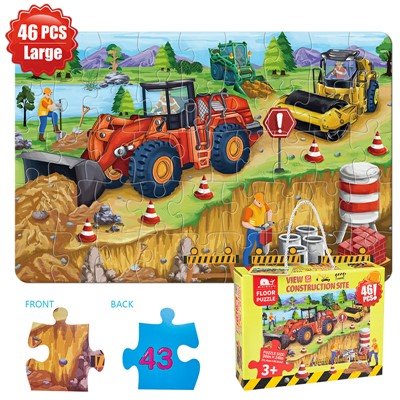
If you’re a retail owner looking to add premium puzzles to your inventory, a planner who wants unique branded gifts, or someone who’s tired of flimsy cardboard puzzles that fall apart, we’re here to help. We can walk you through custom designs, bulk orders, and any adjustments you need to make sure the final product is exactly what you’re looking for.
Educational Puzzles References
The Jigsaw Puzzle: A History, Museum of Design in Plastics, 2018.
Wood Puzzle Manufacturing Guide, National Wood Association, 2021.
Consumer Trends in Premium Toys, Toy Industry Association, 2022.
NINGBO LOTO PACKAGE MANUFACTORY CO.,LTD
Ningbo Sentu Art and Crafts Co., Ltd. is one of the most professional jigsaw puzzles manufacturers and suppliers in China. With abundant experience, we warmly welcome you to buy high quality jigsaw puzzles made in China here from our factory. If you have any enquiry about cooperation, please feel free to email us.
Address: 3rd Floor, Momi Community, New Jinfeng, No.68, Chunchao Road, Yinzhou District, Ningbo City, Zhejiang Province, Ningbo, Zhejiang, China
E-mail: sales@nbprinting.com
WebSite: https://www.lotopuzzle.net/
