Hey guys, it’s [Your Pipe Fitting Cross Co. here – since y’all know us as the go-to cross fitting supplier for plumbing, HVAC, and industrial setups], and if you’ve ever dealt with pipe cross fittings, you know they’re the unsung heroes of any piping system. But here’s the thing: even the sturdiest cross fitting (that’s our bread and butter, by the way) will crap out if you skip regular cleaning. A clogged cross, gunk buildup in the arms, or leftover debris from soldering can mess with flow, cause pressure drops, or even lead to leaks down the line. I’ve seen it a hundred times – a guy installs our 4-way cross, cranks it up, and six months later, his irrigation system is backed up because he never cleaned the fitting. So let’s break this down the right way, no fancy jargon, just real tips we’ve picked up over years supplying these bad boys. Pipe Fitting Cross

First, let’s get one thing straight: what even is a cross fitting? If you’re new here, it’s the four-arm connector that lets two pipes intersect at 90 degrees – total game-changer for branching water lines, gas lines, whatever. We make ’em in all sizes, from 1/8 inch for small RV setups up to 8 inches for industrial factories, and every single one needs cleaning at some point. Why? Because even when you’re installing, metal shavings from cutting pipes, flux residue from soldering, dust, or even mineral scale from hard water can get stuck in the tiny crevices of the cross. Unlike elbow fittings, which are mostly open, crosses have those four arms meeting in the center – that’s where gunk loves to hide. Skip cleaning, and that gunk hardens over time, turning your perfect flow into a headache.
Now, let’s talk tools. You don’t need a fancy cleaning kit (though we do sell a couple that work great for smaller fittings) – most stuff you probably have lying around your garage. For basic residential cleaning: a wire brush (not too stiff, don’t scratch the inside of your cross), a small pipe cleaner or pipe snake that fits through the arms, a bucket, warm water, a degreaser (plain dish soap works if you don’t have heavy-duty, but something like TSP is better for old buildup), a soft cloth, and some cotton swabs for the tiny corners. If you’re cleaning industrial crosses, you might want a pressure washer on low, or a chemical solution like vinegar and water for mineral scale – that’s our go-to for big commercial jobs, way cheaper than industrial cleaners.
Wait, but timing matters. When should you clean your cross fitting? If it’s a new installation, do it right after you cut and fit the pipes – before you solder or glue. That way, you get rid of metal shavings and dust before they get sealed inside. For existing systems, check your cross every 6 to 12 months, depending on what’s running through it. If it’s a water line with hard water, check every 6 months – mineral scale builds up fast. If it’s a gas line, check once a year, just to make sure no debris is blocking the flow. If you notice your pipes are making weird gurgling sounds, or pressure is lower than usual, that cross is the first place to look.
Let’s walk through the step-by-step, starting with the easiest (residential small fittings) first. This is for your 1/2 inch or 3/4 inch plumbing crosses, the ones you use for bathroom or kitchen lines.
Step 1: Take the fitting apart (if possible). If it’s an existing cross, turn off the water supply, drain the line, then unscrew the pipes from the cross. If it’s a new one, just leave it on your workbench. Pro tip: label the pipes if you’re taking it apart so you don’t mix them up later. We see guys do that all the time – ends up with a pipe going to the wrong faucet, and that’s a whole other mess.
Step 2: Rinse out loose debris. Hold the cross over your bucket, and blast warm water through each arm, one at a time. That will get rid of the big stuff – metal shavings, loose dust, whatever’s sitting on the walls. Don’t skip this, because if you jump to scrubbing first, you’ll just push the gunk around instead of removing it.
Step 3: Scrub the inside. Here’s where the wire brush and pipe cleaner come in. Stick the wire brush into each arm, twist it back and forth to scrub the walls. For the center part where all four arms meet – that’s the tricky spot. Take a small pipe cleaner, fold it a little so it fits through the arm, and twist it around in the center. If you have cotton swabs, dab them in dish soap and get into the tiny corners there – that’s where flux residue loves to hide, and flux is a big culprit for leaks later. If there’s really old gunk, mix warm water and a splash of dish soap, submerge the cross for 15 minutes, then scrub again. That loosens the gunk so it comes off easier.
Step 4: Clean the exterior. Don’t forget the outside! The threads (the part that screws onto pipes) can get gunk or old pipe sealant on them, which makes it hard to get a tight fit. Scrub the threads with a wire brush, then wipe them down with a cloth. If there’s old pipe dope on them, scrape it off with a small flathead screwdriver – just be careful not to scratch the threads, because scratches can cause leaks.
Step 5: Rinse and dry. Once you’re done scrubbing, blast each arm with warm water again to get all the soap and loosened gunk out. Then dry it completely – moisture is the enemy here, especially for metal crosses. If you leave water inside, it can cause rust, which will clog the fitting all over again. Use a soft cloth to wipe the outside, and for the inside, you can use a compressed air can (like the ones you use for your computer) to blow out any remaining water. If you don’t have compressed air, just leave it upside down on a towel for a few hours, that works too.
Now, for industrial crosses – the big ones, 2 inches and up, used in factories, farms, or large commercial buildings. This is a little different because the gunk is way more heavy-duty – mineral scale, industrial lubricants, even rust from old pipes.
Step 1: Shut down the system safely. No messing around here – turn off the power, close the valves, drain all the fluid from the lines. For gas lines, you might need to call a professional, but if you’re tough like most industrial fitters, make sure the area is well-ventilated, no open flames.
Step 2: Soak the cross (or use a pressure washer). For industrial-scale scale, vinegar won’t cut it – we use a 50/50 mix of water and muriatic acid (but only if it’s metal, never for PVC or plastic crosses!). Submerge the cross for 30 minutes, then use a pressure washer on low pressure to blast out the gunk. If you don’t want to use acid, a commercial industrial degreaser works too, just make sure it’s compatible with your cross material (we supply steel, brass, PVC, and stainless steel crosses, so double-check!).
Step 3: Check for damage. This is a big one. When you’re cleaning a cross, take a good look at the inside walls and threads. If there’s pitting (little holes) from rust or corrosion, or if the threads are worn down, you need to replace the cross. We get a lot of calls where a guy tried to clean a bad cross, and then it leaked a week later – save yourself the hassle, if it’s damaged, grab a new one from us.
Wait, what about PVC crosses? A lot of people forget that plastic crosses need cleaning too, and you can’t use a wire brush on them – it’ll scratch the plastic, which leads to leaks. For PVC, just use warm soapy water, a soft cloth, and a pipe cleaner that’s soft, not metal. No harsh chemicals, because they can eat away at PVC over time.
Common mistakes to avoid. Let’s list these because I see them all the time:
- Using a wire brush that’s too stiff for small fittings – scratches the inside, which catches more gunk.
- Not drying the cross – rust city, right there.
- Skipping the center of the cross – that’s where 90% of the debris hides.
- Cleaning too infrequently – once a year isn’t enough for hard water lines.
- For PVC crosses, using harsh chemicals – melts the plastic over time.
Now, why does this matter for you, especially if you’re using crosses we supply? Our crosses are made with high-quality materials, designed to last for years, but only if you take care of them. A clean cross doesn’t just flow better – it reduces the risk of leaks, which saves you money on repairs, and keeps your system running smoothly. We’ve had customers tell us that after cleaning our cross fittings, their water pressure went up by 20% – that’s a huge difference for a home irrigation system.
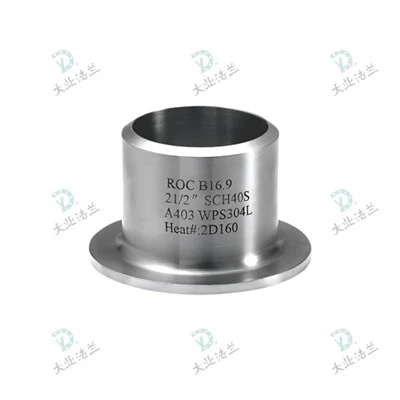
If you’re not sure if you’re cleaning your cross right, or you need a replacement (or a new set) of crosses for your project, hit us up. We supply all sizes, all materials, and we’re here to answer any questions – whether you’re a DIY homeowner needing a 1/2 inch brass cross, or a industrial contractor needing 6 inch steel crosses for a factory setup. No middleman, no hidden fees, just good quality fittings and straight talk.
Flanges References
- International Association of Plumbing and Mechanical Officials (IAPMO). (2022). Pipe Fitting Maintenance and Cleaning Guidelines. IAPMO Press.
- Occupational Safety and Health Administration (OSHA). (2021). Safe Practices for Cleaning Industrial Piping Systems. U.S. Department of Labor.
- American Society of Mechanical Engineers (ASME). (2020). Standard Practices for Maintenance of Pipe Components. ASME International.
- Plumbing-Heating-Cooling Contractors Association (PHCC). (2023). Residential Pipe Cleaning Tips for Homeowners. PHCC Educational Foundation.
- Stainless Steel Pipe Fitting Manufacturers Association (SSPFMA). (2022). Care and Maintenance of Stainless Steel Cross Fittings. SSPFMA.
Zhejiang Daye Flange Co., Ltd.
Zhejiang Daye Flange Co., Ltd. is one of the most experienced pipe fitting cross manufacturers and suppliers in China. With a professional production team, we offer a wide range of flanges with superior quality and competitive price. Welcome to buy CE approved pipe fitting cross in stock here and get pricelist from our factory. We also accept customized orders.
Address: Headquarter: 8, Gangqiang Road, Yongxing Street, Longwan District, Wenzhou City, Zhejiang Province, China
E-mail: sales@dayeflange.com
WebSite: https://www.daye-flange.com/
