Hey there, let’s cut to the chase—if you’ve ever stared at a sewing machine manual scrolling past “standard gear” and thought, “Wait, is this just jargon, or something that actually matters?” you’re not alone. I’ve spent the last 10 years supplying those exact parts to sewing shops, small manufacturers, and even hobbyists who thought standard gear meant “whatever comes with a basic machine.” Spoiler: it’s way more specific, and skipping the real standard stuff is why half the repair calls I field end with, “I wish I didn’t cheap out on those gear sets.” Standard Gear
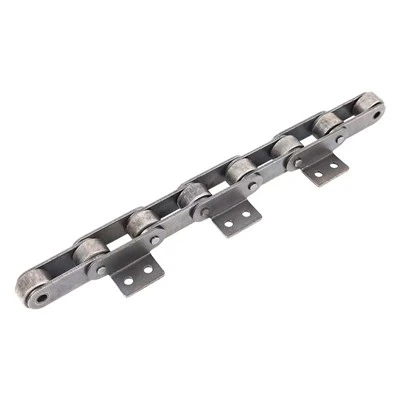
Let’s start with the basics, no textbook fluff. When we talk about standard gear in sewing machines, we’re not just talking about any round metal thing with teeth. This is the set of gears that make all the critical moving parts sync up—think the needle bar, the feed dogs that pull fabric under the presser foot, and the bobbin winder. It’s the nerve center of every stitch, from a straight stitch on a $100 beginner machine to a heavy-duty industrial unit cranking out denim jackets all day.
Here’s the part most people (and even some not-so-great suppliers) get wrong: standard gear isn’t a one-size-fits-all. It’s defined by ISO standards, machine brand specs, and even the type of sewing you’re doing. For example, a home sewing machine’s standard gear is usually made of high-grade engineering plastic, since it’s handling light to medium fabric. An industrial straight-stitch machine? That’s all hardened steel—because it’s sewing through 10 layers of canvas for hours on end. I’ve seen some “budget gear sets” marked as “standard” that use cheap, untested plastic that melts when sewn through thick fabric, or steel with rough teeth that chew up machine parts after a week. That’s not standard. That’s garbage.
Let’s get into the actual components that make up a standard sewing machine gear set, because knowing this saves you from throwing money away. First, the primary drive gear—this connects to the motor, turning all other gears. It’s usually the largest in the set, and for standard units, it has a precise tooth pitch (that’s the space between each tooth) measured in module or diametral pitch, depending on the region. Too narrow, and they strip; too wide, and they skip, making your stitches all wonky. Next is the feed gear, which controls the feed dogs’ up-and-down and forward-back motion. That gear’s teeth have to be perfectly aligned with the feed dog rails, otherwise your fabric slips while you stitch—we’re talking puckered seams and frustrated hobbyists here. Then there’s the tension gear, which adjusts the upper thread tension; if that’s off, your bobbin thread loops like a mess.
I know what you’re thinking: “Why does this matter to me? I just want to sew a pillow cover!” Let’s use a real story from last month. A small quilting shop in Ohio ordered what they thought was a “standard gear set” online for their 3 industrial quilting machines. The parts arrived, they installed them, and by the end of the first day, one machine’s feed gear stripped mid-quilt. They had to rush-order a set from me (shoutout to my 24-hour shipping for emergency calls) because their deadline for a custom quilt order was in 3 days. Turned out, the set they ordered had a 14.5-degree pressure angle, but their machines required a 20-degree angle—super specific, that’s what real standard gear is. The cheap supplier didn’t check specs, just marked it “standard” to make a quick sale. That’s the problem with the term getting watered down online.
Now, as someone who’s been supplying standard sewing machine gears for over a decade, let me tell you what makes my sets actually meet the standard. First, we source materials that match original equipment manufacturer (OEM) specs, not knockoff grades. For home machines, that’s reinforced nylon that can handle 8-10 hours of sewing a week without cracking. For industrial, it’s carbon steel that’s induction-hardened to 55 HRC—hard enough to resist wear, but still quiet, no more loud grinding in your machine. We also do tooth profiling and alignment checks with coordinate measuring machines, because even a 0.01mm misalignment can cause skipped stitches or premature wear. And we test every batch: we run each gear set for 500 continuous stitches on a test machine, checking for noise, tooth strip, and alignment. If it fails, it doesn’t leave our warehouse.
Wait, but what about hobbyists working on basic projects? I get it, you don’t need industrial-grade gear. Our “home standard gear sets” are designed exactly for that—beginner to intermediate machines, sewing cotton, flannel, light denim. They’re cheaper than industrial, but still meet ISO 9001 standards, so you don’t have to replace them every 6 months. Last year, a group of teen sewing students in Texas bought our home standard sets for their class projects, and they told me not a single one had a gear issue all semester. That’s the standard we care about.
I know the sewing world is full of “top-tier” and “professional grade” marketing, so it’s easy to tune out. But standard gear is the foundation. If your gears are off, even the fanciest machine won’t sew right. I’ve seen people drop $500 on a new machine, then skip on replacement gears because they’re “just parts”—that’s like buying a sports car and using regular gas. It runs, but it’s not going to perform like it should.
Here’s a quick tip if you ever need to replace your gears: check your machine’s manual first. It’ll list the exact spec for your standard gear set—tooth count, pitch, material, everything. If you can’t find the manual, send me your machine model and year, and I can pull the specs right up. No guesswork, no cheap junk, just actual standard gear that works.

At the end of the day, sewing is about making something that matters—whether it’s a baby blanket, a work uniform, a custom quilt, or a pair of jeans. You deserve parts that let you focus on the stitch, not fixing your machine every other hour. If you’re a repair technician, a small manufacturer, a shop owner, or even a hobbyist who’s had enough of cheap gear that doesn’t hold up, hit me up to talk standard gear solutions. We’ve got sets for every machine, every type of sewing, and we’ll work with your timeline—no hidden fees, no last-minute surprises.
Conveyor Chain References:
ISO 10303-242, Industrial automation systems and integration – Product data representation and exchange – Part 242: Application protocol: Managed 3D engineering
Sewing Machine Technology: Gears and Power Transmission, 3rd Edition
ANSI/AGMA 2001-D04, Fundamental Rating Factors and Calculation Methods for Involute Spur Gears and Helical Gears
Anhui Huihuang Chain Transmission Co., Ltd.
Anhui Huihuang Chain Transmission Co., Ltd. is one of the most professional standard gear manufacturers and suppliers in China, also supports high quality customized service. Please feel free to buy discount standard gear made in China here from our factory. Welcome to contact us for pricelist and free sample.
Address: NO.3 YONGQIANG ROAD. JIXI.ANHUI.CHINA
E-mail: daisy@huifengchain.com
WebSite: https://www.hhchains.com/
