If you’ve ever spent time browsing our Wooden Garden Features displays, you know we don’t cut corners when it comes to choosing materials that stand up to Britain’s changeable weather. One of the most common questions we get from both first-time garden owners and seasoned landscapers is: What’s the best finish for outdoor wooden garden features? It’s not a one-size-fits-all answer—any finish has to balance protection, aesthetic, long-term value, and the unique needs of outdoor wood, which faces everything from harsh UV rays and heavy rain to frost and pesky wood-boring insects. After 12 years supplying everything from ornate garden gates and raised planter beds to rustic arbors and bench seats, we’ve tested just about every option on the market, and we’re breaking down what actually works, why, and which finish is right for your feature. Wooden Garden Features
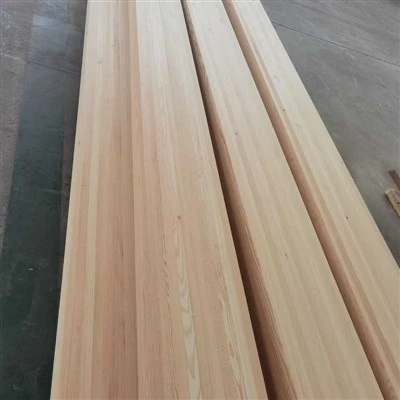
First, let’s get one thing straight: outdoor wood doesn’t exist in a vacuum. The best finish for a sun-baked oak arbor at the end of a long, exposed driveway isn’t the same as the finish for a sheltered raised herb bed tucked against a north-facing wall. The type of wood matters too. Softwoods like pine or larch are more porous, so they absorb finishes differently than dense hardwoods like oak or teak. That’s why we always ask customers to share two key details upfront: where their feature will live, and what wood it’s made from. But before we dive into specific finishes, let’s touch on the basics of why wood protection is non-negotiable.
Unfinished outdoor wood will weather—there’s no way around it. Over time, UV rays turn once-rich browns to silver-grey, and moisture seeps into the grain, causing swelling, warping, and cracking. Even worse, damp wood is a feast for fungus and wood-boring beetles, which can turn a $200 raised planter into splinters in just three seasons. A good finish doesn’t just stop that; it preserves the wood’s natural character, not mask it. Too many cheap finishes leave a thick, plasticky film that peels and bubbles after a year, leaving wood underneath rotting. We’ve seen that happen so often we now warn customers away from any finish that promises a “permanent glossy shine” or only needs one coat. Those are marketing gimmicks, and outdoor wood doesn’t play by indoor rules.
Let’s start with the most popular, and most misunderstood, option: exterior wood paint. Paint is a film-forming finish, meaning it sits on top of the wood rather than soaking in, creating a barrier against water and UV. For customers who want a bold, uniform colour to match their garden’s scheme, paint is a solid choice—but only if you choose the right type. We’ve tested budget acrylic paints from big box stores, and they rarely last more than two years on our features; we switched to 100% acrylic exterior elastomeric paints about eight years ago, and they hold up far better. Elastomeric paints stretch slightly as wood swells and contracts with temperature changes, so they don’t crack and peel as easily as standard latex paint. That said, paint has a downside: it hides the wood’s grain. If you’ve invested in a beautiful oak gate, you probably don’t want to cover it up. Paint is also higher maintenance than other finishes; once it starts to chip, you have to strip the old coat entirely before reapplying, which is messy and time-consuming. We recommend paint only for features like utility garden gates or play equipment, where colour consistency is a priority, and the wood is less valuable.
Next up, the middle ground: wood stain, specifically semi-transparent and solid colour stains. Wait, before you roll your eyes at “stain” being a vague term, let’s clarify. Semi-transparent stain soaks into the wood, highlighting the grain while adding a subtle tint and moderate protection. Solid colour stain, sometimes called deck stain, has more pigment, so it covers more of the grain, but it’s still a penetrating finish rather than a thick film. We’ve found semi-transparent stain is the sweet spot for most of our features. It lets the natural character of the wood shine through—if you have larch, that warm golden-grey grain, or oak’s intricate knots, they stay visible—while providing enough UV protection to prevent silvering and enough water resistance to stop rot. For sheltered features like arbors or bench seats against a fence, semi-transparent stain can last three to four years, which is way longer than paint for wood that you want to show off. The key here is to pick a stain with UV inhibitors and mildewcide. We’ve had customers come back saying their stain faded in 18 months, and 9 times out of 10 it was because they bought a interior stain labeled “for outdoor use” to save a few pounds. Interior products don’t have the UV additives needed to stand up to British summers, so they break down fast. We always stock only exterior semi-transparent stains formulated for decking and garden features, and we advise customers to apply two thin coats, not one thick one. Thick coats don’t cure properly, so they peel off sooner.
Then there’s oil-based finishes, the old guard of wood protection. Linseed oil, tung oil, teak oil—these are penetrating oils that sink into the wood, feeding the grain and locking out moisture. For customers who want a natural look, oil is hard to beat. It brings out the warm tones of oak, making it feel rich and authentic, not artificially tinted. We’ve used oil on our custom-built teak bench seats for over a decade, and they still look great with annual maintenance. But oil has two big drawbacks: it doesn’t last long, and it offers less UV protection than stain or paint. On a sun-exposed oak arbor, oil will need reapplication every 12 to 18 months, which means sanding down the old oil every time. That’s manageable for small features like planters, but for a 6-foot tall garden gate, it’s a chore. Oil also doesn’t stop wood from greying as quickly as stain; you’ll notice a faint silver cast after two years on a west-facing feature. We recommend oil for hardwoods like teak or ipe, which are naturally dense and resistant to rot, so the frequent reapplication is worth the aesthetic. For softwoods like pine, oil tends to dry out the grain faster, leading to cracking sooner than if you use a stain.
Now, let’s talk about the newer kid on the block: water-based wood finishes. A lot of people write them off as too “new” to work for outdoor use, but we’ve tested water-based stains and sealants for five years now, and they’re a game-changer. Unlike oil-based finishes, which can leave a sticky residue for months and smell strong (so if you’re working near vegetables, that’s a problem), water-based finishes are low-odour, dry fast, and don’t yellow over time. They also have excellent UV protection, often on par with elastomeric paint, without the thick, peelable film. We’ve used water-based semi-transparent stain on our larch arbors, and they’ve held up for four years so far, with only minor touch-ups needed on the most exposed parts. The downside? They can be more expensive than oil-based or standard stain, and some budget water-based finishes don’t penetrate as deeply into porous wood like pine. We always recommend a high-quality water-based finish for customers who want minimal maintenance, no strong fumes, and a look that’s not too heavy.
Wait, we can’t skip the “natural” finish debate—some customers swear by leaving wood to weather to silver-grey, and we get it, that soft, weathered look is really popular for rustic garden designs. But we have a warning here: leaving wood unfinished doesn’t mean no maintenance. Unprotected wood will develop cracks within two or three years, and those cracks can let water seep in, leading to rot even if the surface looks fine. If you love the silver-grey look, apply a breathable wood sealer designed for weathered wood once a year. That sealer will slow down the greying process (though it won’t stop it entirely) and protect the wood from damage. We’ve done this on test arbors in our own garden, and after six years, they still look great, no cracking, no rot. It’s a middle ground for people who don’t want a tinted finish but don’t want to deal with replacing a feature in a few years.
Now, let’s break this down by feature, because that’s what our customers care about most. If you’re buying a raised planter bed, which is usually softwood and kept at ground level, often near a patio: semi-transparent stain with mildewcide is your best bet. It’s affordable, easy to apply, and lasts three to four years. If you have a custom oak garden gate that’s a focal point of your garden, semi-transparent stain with UV inhibitors is ideal—you get to show off the wood’s grain, and it stands up to sun and rain. For a sun-baked arbor at the end of a driveway, elastomeric paint or a durable water-based stain is better, because the frequent sun will break down a lighter oil or semi-transparent stain in 18 months. For a teak bench seat tucked under a tree, tung oil is perfect—its natural look fits a shaded spot, and you can reapply it easily in the spring.
A common mistake we see customers make is cutting corners on preparation. No finish works well on dirty, damp, or sanded-down uneven wood. Before applying any finish, you have to power wash the wood (on a low setting, so you don’t etch the grain) and let it dry completely—at least 48 hours, longer if it’s damp. If the wood has old paint or stain, strip it fully, sand it smooth, and wipe away all dust. We always test finishes on a scrap piece of the same wood first, too. Every batch of wood is slightly different, even if it’s the same type, so a stain that looks golden on oak might look too orange on another piece. That test piece also lets you see how the finish ages, before you apply it to your $500 arbor.
Another question we get: how do you know when it’s time to reapply? If you can press your fingernail into the wood and leave a mark, or the finish looks chalky, faded, or peeling, it’s time. For semi-transparent stain, that’s usually every three to four years; for paint, every five to seven years; for oil, every 12 to 18 months. It’s way easier to touch up small areas than to strip and reapply the entire finish later.
At the end of the day, the best finish for your outdoor wooden garden features depends on three things: your maintenance willingness, your aesthetic preference, and where the feature is installed. If you want zero upkeep for as long as possible, go for high-quality elastomeric paint. If you love the natural wood look and don’t mind a bit of annual or triennial work, semi-transparent stain is the sweet spot. If you have hardwoods and prefer that rustic, worn-in feel, oil is a great choice. We’ve seen too many customers pick the wrong finish for their needs, only to end up with a rotting gate or a peeling bench two years later—so always weigh those three factors before you choose.
If you’re still unsure which finish is right for your wooden garden feature, our team has years of hands-on experience testing these products, and we’re happy to walk you through the best options for your space. We build features to last, and matching them with the right finish is a big part of that, so get in touch with our team to discuss your project, whether you’re looking for a finish for a new arbor, planter, gate, or bench. We’ll share our personal recommendations, test results, and even tips for application to make sure your feature looks great for years to come.
Building Accessories References:
- Forest Research. (2021). Wood Protection for Outdoor Garden Structures: Best Practices and Material Science. UK Forestry Commission.
- American Wood Protection Association. (2022). Standard Practices for Exterior Wood Finishes and Durability Testing. AWPA Book of Standards.
- UK Woodland Assurance Standard. (2020). Guide to Finishing Untreated Softwood and Hardwood for Outdoor Use. Woodland Heritage UK.
- Tractor Supply Co. Outdoor Finishing Guide. (2023). Exterior Wood Coatings: Performance Comparison for Residential Garden Features.
- University of Illinois Extension. (2021). Deck and Outdoor Wood Finishing: Choosing Between Paint, Stain, and Oil. Extension Bulletin 850.
Zendekin Low-Carbon Technology Co., Ltd.
Address: Building 3, Yincheng INC Center, No.59 Tianyuan West Road, Jiangning District, Nanjing, Jiangsu, China.
E-mail: 13813916590@126.com
WebSite: https://www.zdqeco.com/
