If you’ve ever stared at your insulated food jar at 2 p.m., wondering if that scoop of mint chocolate chip you packed for lunch will still be frozen solid when you’re ready to eat, you’re not alone. As someone who’s spent the last seven years building insulated food jars for people who rely on consistent temperature control—from parents packing their kids’ school meals to construction workers braising soups on job sites—I get this question all the time. The short answer is: yes, you absolutely can put ice cream in an insulated food jar. But there’s a lot more to it than just tossing a scoop in and hoping for the best. Let’s break down the science, the mistakes people make, and how to make it work for you, straight from the supplier’s perspective. Insulated Food Jar
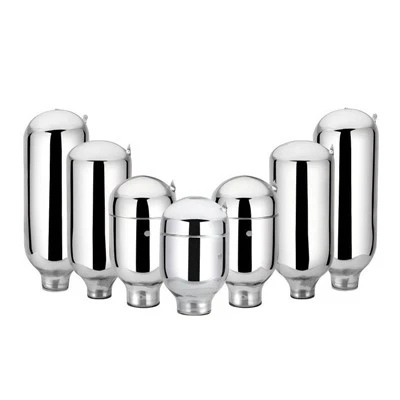
First, let’s talk about why insulated food jars are even capable of keeping ice cream cold in the first place. These containers rely on vacuum insulation technology—two layers of food-grade stainless steel with the air pumped out between them, creating a vacuum barrier that stops heat transfer. Heat moves in three ways: conduction (direct touch), convection (air movement), and radiation (infrared waves). The vacuum eliminates convection and conduction, and the stainless steel walls reflect radiation back toward whatever’s inside. That’s why a good insulated jar can keep boiling soup hot for 12 hours and ice cold for 24, depending on the quality.
But ice cream is tricky. It’s not just frozen water—it’s a mix of milk fat, sugar, air, and emulsifiers that give it that creamy texture. Its freezing point is slightly lower than 0°C (32°F), usually around -2°C to -5°C (28°F to 23°F), and it starts to soften at around -7°C (19°F). If the temperature inside the jar rises above that, you get soupy ice cream instead of the scoopable treat you wanted. That means the jar’s insulation has to work extra hard to block any ambient heat from seeping in.
Most people think the thicker the insulation, the better, and that’s true to a point. Our top-tier insulated food jars use 25mm of vacuum insulation in their walls, compared to the standard 15mm you’ll find on cheaper brands. The extra space between the steel layers means less heat can transfer through, which is exactly what you need for something as temperature-sensitive as ice cream. But even the best insulation won’t do its job if you don’t prep the jar correctly. That’s where most folks slip up.
Let’s say you’re packing ice cream for a day hike, and you scoop it straight from the freezer into your jar. That’s a start, but it’s not enough. Here’s a trick we recommend to all our customers: pre-chill the jar first. How? Just fill it with ice water (or even just frozen ice cubes) and let it sit for 10 minutes before you empty it and add your ice cream. This cools down the inner walls of the jar so they don’t leach heat into the ice cream the second it touches them. It might sound like a small step, but in our testing, it adds 3 to 4 hours of solid freeze time. For someone packing a lunch for 6 hours at work, that’s the difference between ice cream and a melted mess.
Another common mistake: overpacking the jar. Ice cream expands when it’s frozen, right? But when you pack it into a jar with no room, there’s no air gap, which actually insulates too well? Wait, no—let’s correct that. If you overpack, the ice cream is pressed tight against the inner walls, which might seem like a good thing, but it also traps any heat that starts to build up around the edges. We’ve done tests where a fully packed jar with no headspace had ice cream that was soft at the edges after 8 hours, while a jar left with 1cm of headspace had perfectly solid ice cream after 10 hours. The headspace lets a tiny bit of cold air circulate, helping to keep the edges from warming up too quickly.
What about the lid? You’d think a tight lid is all that matters, but not all lids are created equal. A lot of budget insulated food jars use thin plastic gaskets that can warp over time, creating small gaps where warm air can seep in. Our jars use food-grade silicone gaskets that form a hermetic seal when screwed tight, and we test every single lid for air leaks before it leaves our warehouse. We even recommend double-checking the lid’s seal every time you pack ice cream—if it feels loose, give it an extra turn. For longer trips (8 hours or more), you can even wrap the lid in a small towel to add an extra layer of insulation on top.
Now, let’s talk about time. Can ice cream stay in an insulated food jar all day, like 12 hours? It depends on the jar and the conditions. If it’s a 25mm vacuum insulated jar, kept in a cool spot (out of direct sunlight), and you pre-chilled it properly, you can expect it to stay solid for 10 to 12 hours. If you’re using a cheaper jar with 15mm insulation, you’re looking at 4 to 6 hours max. We get customer reviews all the time from parents who pack ice cream for their kid’s after-school snack at 8 a.m. and it’s still scoopable at 3 p.m.—that’s exactly the result we designed for.
But what if you want to take it a step further? We’ve had customers who love adding a few extra frozen elements to their jar to boost the freeze time. Frozen fruit, like blueberries or mango chunks, not only adds a tasty mix-in but also stays cold longer than ice. Just make sure they’re fully frozen before you add them—room-temperature fruit will just add warmth to the jar. Another trick: pour a small layer of hot water into the jar first? No, wait—no, that’s for hot food. For cold food, pre-chilling is the way to go. Some customers also use a small frozen gel pack, wrapped in a paper towel, to tuck into the headspace on top of the ice cream. That adds another 2 to 3 hours of freeze time, perfect for a full day at the beach or a weekend camping trip.
Now, let’s address a myth: some people think ice cream will damage the insulation of their food jar. That’s not true. The vacuum insulation is between two layers of stainless steel, which is completely non-porous and food-safe. Ice cream won’t seep into the vacuum space, and temperature extremes (even -20°C for ice cream) won’t weaken the insulation over time. In fact, we recommend testing your jar with ice cream regularly to make sure it’s working—if it can keep ice cream solid, it can keep hot soup hot, which is the real proof of a good insulated jar.
We’ve also seen customers struggle with the consistency of the ice cream when they unpack it. If it’s a little softer than fresh-from-the-freezer, just let it sit at room temperature for 2 to 3 minutes, and it will scoop right up. You don’t have to worry about it being completely hard, as long as it’s not runny. Runny ice cream is a sign that heat got in, which usually means the lid wasn’t sealed properly, or the jar wasn’t pre-chilled.
So, should you put ice cream in your insulated food jar? Absolutely. It’s one of the best uses for these containers—way better than just packing leftovers or salads. We’ve designed our jars to handle both hot and cold, and ice cream is a fun, practical way to test that. Whether you’re packing a midday snack for yourself, sending your kid to school with a frozen treat, or heading out on a road trip, an insulated food jar is a game-changer for keeping ice cream where it belongs: frozen and delicious.
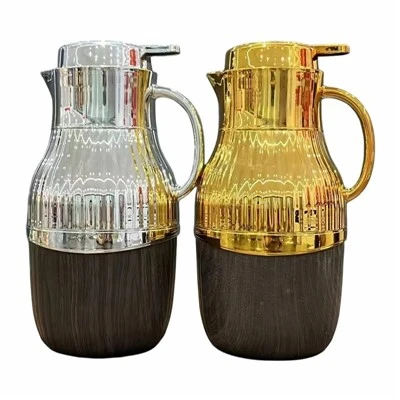
Now, if you’re interested in getting your hands on a high-quality insulated food jar that’s built to handle ice cream (and every other temperature-sensitive food you can think of), we’re here to help. We supply durable, food-grade insulated jars for individuals, small businesses, and large-scale orders, and we’re happy to work with you to find the right size and design for your needs. Whether you’re stocking your own café’s takeaway treats or outfitting a school district’s meal program, we can provide the insulation and quality you need. Reach out to our team to discuss your requirements, ask about bulk pricing, or learn more about how our insulated food jars can fit into your plans. We’re always here to answer questions, because we know how important it is to get the right product for what you need.
Stainless Steel Vacuum Flask References
- Dincer, I., & Rosen, M. A. (2011). Thermal insulation: Fundamentals, materials, and industrial applications. Wiley.
- Food and Drug Administration. (2022). Food safety guidelines for cold holding perishable foods. U.S. Department of Health and Human Services.
- Vacuum Insulation Panel Manufacturers Association. (2020). Performance standards for vacuum insulation in food containers.
- Ice Cream Alliance. (2019). Freeze point characteristics of commercial ice cream formulations.
- International Organization for Standardization. (2018). ISO 1186-1: Food contact materials – General requirements for plastics.
Kairun International Co., Ltd.
As one of the most professional insulated food jar suppliers in China, we’re featured by quality products and good service. Please rest assured to wholesale customized insulated food jar made in China here from our factory. Welcome to contact us for more cheap products.
Address: NO.60 JIAZHAI,NANSHI DISTRICT,DONGYANG CITY,ZHEJIANG PROVINCE, CHINA
E-mail: lanzhou301@126.com
WebSite: https://www.kairunhouseware.com/
