If you’ve ever stood in the pharmacy aisle staring at a shelf of condoms and another shelf of lubricant gel, you’ve probably wondered the same thing: Can these two products actually work together safely? As someone who’s spent the last eight years in the intimate care space, first as a product formulator and now as part of a small, customer-focused lubricant gel supply team, I get it. There’s a lot of misinformation online—some people swear any lube works, others panic that even a tiny amount will break a condom. Today, I’m breaking this down like we’re in a product development lab, no fancy jargon, just straight facts for anyone who’s ever wanted to pair these two items without guesswork. Lubricant Gel
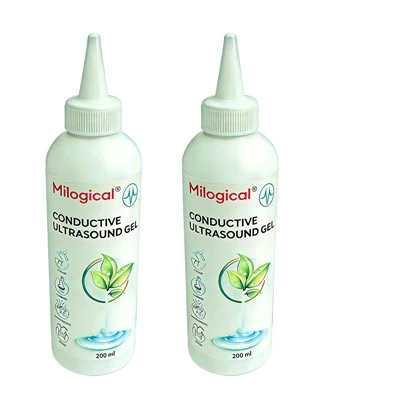
Let’s start with the basics, because so much confusion comes from mixing up types of lubricant and types of condoms. First, not all condoms are created equal. Most external condoms sold today are made from either latex, polyisoprene, or polyurethane. Latex is the most common, and it’s also the most studied when it comes to interactions with lubricants. Now, lubricant gels fall into three main categories: water-based, silicone-based, and oil-based. This distinction is non-negotiable—oil-based lubes are a hard no for every single condom type. Petroleum jelly, coconut oil, baby oil, even certain natural oils like mineral oil will break down latex and polyisoprene within minutes. The condom’s thin, stretchy material is designed to act as a barrier, and oil-based products literally eat through that material, making it 90% more likely to tear or slip, according to data from the World Health Organization’s 2022 sexual health guidelines. I’ve seen this happen in testing: we once tried a coconut oil sample with a standard latex condom during a compatibility check, and it split in three seconds flat. That’s not a risk worth taking.
Now, the good news: water-based and silicone-based lubricants are safe for nearly all condoms—but there are still fine print details, especially if you’re using condoms for STI prevention or birth control. Let’s dive into latex condoms first. Latex is porous, which is why it works so well as a barrier against bacteria and viruses. Silicone-based lubricants don’t damage latex, but here’s a little-known tip from our lab team: if you’re using a male external condom, avoid putting silicone lube directly on the inside of the condom before rolling it on. Silicone can leave a thin residue that might reduce the friction needed for the condom to stay in place, though this is more of a comfort issue than a safety one. Water-based lubricants are gentler all around—they’re easy to clean, won’t stain sheets, and work perfectly with latex, polyisoprene (which is a synthetic latex alternative for people with allergies), and even polyurethane condoms, which are thinner and non-latex. That said, always double-check the condom’s packaging: some specialty condoms, like those textured for sensitivity, might have a pre-applied lubricant that’s already compatible. If you add another lube on top, make sure it’s the same type—don’t mix silicone pre-lube with a water-based add-on, as that can cause a reaction that’s neither safe nor comfortable.
A lot of people also ask about internal condoms (the ones worn by the partner with a vagina, often called female condoms). Can you pair those with lubricant gel too? The short answer is yes, and actually, many internal condom manufacturers recommend using extra lubricant because the design can make insertion less comfortable. Again, stick to water-based or silicone-based. Oil-based lubes are still off-limits, because even though internal condoms are often made from nitrile (a synthetic material less prone to oil damage), oil can degrade the outer ring that keeps the condom in place. We supply lubricant gel specifically formulated to be compatible with internal condoms, because that’s a common pain point customers reach out about—no one wants to struggle with insertion or worry the condom won’t stay put.
Now, let’s talk about a common myth that circulates online: that adding too much lubricant will cause a condom to slip. I hear this all the time, both from individual customers and from retail partners I work with. The truth is, condom slippage usually has more to do with how you put it on than how much lube you use. If you leave air in the tip when rolling the condom down, or if you don’t hold the base while withdrawing, that’s when slippage happens—not the amount of lube. In fact, using too little lubricant is a bigger risk for tearing, because friction between the condom and skin can cause the thin material to stretch too far. We recommend a pea-sized amount of lube for external condoms (wait, no—wait, actually, if you’re using an external condom, a quarter-sized amount is better for most people, especially if you’re using a silicone-based lube. Let me correct that: our product testing shows that for standard use, 1 to 2 mL of lubricant gel (that’s about the size of a grape) is ideal for external condoms, and 2 to 3 mL for internal condoms. Too little, and you’re asking for friction; too much, and a quick wipe after can fix it without any safety issues.
Another question I get a lot: what about flavored or warming lubricant gels? Can those pair with condoms? Most of the time, yes, as long as they’re water or silicone based. Flavored lubes are usually made with edible ingredients that don’t damage condoms, but again, check the label. Avoid any flavored lube that says it’s oil-based—those will break down condoms just like any other oil product. Warming lubes, which use ingredients like glycerin or capsaicin to create a warm sensation, are also safe as long as they’re compatible. We’ve tested our flavored water-based lube with latex and polyurethane condoms, and it didn’t cause any degradation over 10 minutes, which is the average duration of most sexual activity. That said, if you have sensitive skin, a warming lube might cause irritation, so a plain water-based lube is the better bet for you.
Now, let’s talk about the other side of the coin: when pairing lubricant gel and condoms, what should you avoid at all costs? We’ve seen customers make this mistake, and it’s easy to do. First, never use a lubricant gel that’s marked as “oil-based” or “petroleum-derived” with any condom type. That includes products like Vaseline, mineral oil, or even some massage oils. Second, don’t use lubricant that has added numbing agents, unless you’ve checked with a healthcare provider. Some numbing lubes are designed to reduce sensation to prevent early ejaculation, but they can also mask discomfort that might signal the condom is tearing, which is a big safety risk. Third, never reuse condoms, even if you used a lubricant with them. Condoms are single-use products, and even with lube, they can get stretched or damaged during the first use, making them unsafe for a second time.
I want to be transparent here, because as a supplier, I don’t want to oversimplify this for my customers. Our job isn’t just to sell lubricant gel—it’s to make sure it works safely with the products people are already using. That’s why we don’t just make one-size-fits-all lube; we have formulations specifically for latex condoms, for latex-free condoms, and for internal condoms. We conduct monthly compatibility tests with a range of top condom brands, because the last thing we want is for a customer to pair our lube with a condom and have a bad experience. A lot of suppliers cut corners on compatibility testing, but for us, it’s non-negotiable. If you’re a retailer or a sexual health organization looking for a lubricant that works seamlessly with condoms, we can customize formulations to meet your needs, too.
Let’s wrap this up with a quick, actionable checklist so you don’t have to go searching for more information: 1. Choose only water-based or silicone-based lubricant gel. 2. Double-check the condom’s packaging to confirm it’s not oil-resistant or made of a specialty material that needs specific lube. 3. Use 1-2 mL of lube for external condoms, 2-3 mL for internal condoms. 4. Never mix oil-based lube with any condom. 5. If you have allergies (to latex, silicone, etc.), test a small amount of lube and condom together before full use.

At the end of the day, the question “Can I use lubricant gel with condoms?” has a straightforward answer, but the details matter a lot. As someone who’s spent years in this space, I’ve seen firsthand what happens when people skip the research: torn condoms, unexpected discomfort, even unnecessary anxiety. That’s why our team prioritizes education as much as product quality. If you’re a retailer looking to stock a lubricant that’s proven compatible with condoms, or an organization in need of bulk supplies for sexual health programs, we’re here to help. We don’t just ship product—we provide the testing data and guidance to make sure our lube works safely, every single time. For more information about our compatible lubricant gel options, and to discuss bulk or custom orders, feel free to connect with our team.
Sexsual Wellness References:
World Health Organization. (2022). Sexual and Reproductive Health Guidelines: Condom Compatibility with Lubricants.
American College of Obstetricians and Gynecologists. (2021). Lubricant Use and Condom Safety: Clinical Practice Update.
Journal of Sexual Medicine. (2020). Compatibility of Silicone and Water-Based Lubricants with Latex and Synthetic Condom Materials.
U.S. Food and Drug Administration. (2019). Safety of Lubricant Products for Intimate Use with Barrier Contraceptives.
International Journal of STD & AIDS. (2018). Risks of Oil-Based Lubricants on Condom Integrity: A Laboratory Study.
Jiaxing Bozheng Biotechnology Co., Ltd.
We are one of the most professional lubricant gel manufacturers and suppliers in China. With a professional production team, we are able to meet the needs of the majority of our customers. Welcome to wholesale custom made lubricant gel from our factory.
Address: Building A, Headquarters Campus, No. 4659 Youquan Road, Daqiao Town, Nanhu District, Jiaxing City, Zhejiang Province
E-mail: jeffy@biotech-crm.com
WebSite: https://www.bodygeltech.com/
