If you’re running a 4WD or AWD vehicle, the transfer case is one of those unsung heroes that make off-roading, slippery highway drives, and towing heavy loads actually work. Let me cut to the chase: as a transfer case supplier, I’ve seen so many shops and even DIY owners skip basic maintenance on this part, and it always leads to big, expensive breakdowns down the line. A transfer case isn’t something you can ignore, and keeping it running right doesn’t have to be complicated. Let’s break down exactly how to do it, no fancy jargon required. Transfer Case

First, let’s get one thing straight: I’m not here to sell you a new transfer case out of the blue. Most of the time, the issues we see are from neglect, not broken parts that can’t be fixed. Let’s start with the most basic step that almost everyone forgets: fluid checks and changes. Your transfer case has its own special fluid, right? It’s not the same as transmission fluid, and using the wrong stuff is a quick way to mess up the internals. A lot of owners only check their engine oil and transmission fluid, completely overlooking the transfer case, which is a huge mistake. How often should you do this? If you’re a casual driver who only uses 2WD around town, shoot for every 30,000 to 50,000 miles. But if you’re off-roading, towing heavy trailers, or driving in super dusty/snowy conditions? Drop that to every 15,000 to 20,000 miles. Those harsh environments break down fluid way faster, and the heat from constant use does a number on it too.
When you do check the fluid, don’t just look at the level—look at the condition. Good transfer case fluid should be clear amber or reddish, depending on the type. If it’s dark brown, gritty, or smells burnt, that means the additives are gone and there’s debris wearing down the gears. Draining and refilling the fluid is pretty straightforward, but make sure you use the exact fluid your vehicle’s manual calls for. Some transfer cases use synthetic fluid, others use mineral, and mixing the two is a bad call. Also, don’t overfill it—too much fluid causes foaming, which deprives the gears and bearings of proper lubrication, and too little leads to metal-on-metal grinding. If you’re not comfortable doing this yourself, any reputable mechanic can do it for 20 bucks, max. That’s way cheaper than replacing a transfer case that seized up because of old, dirty fluid.
Next up, the shift mechanism. That little lever or electronic switch you use to go from 2WD to 4WD, maybe even low range? It’s not just a random button—it connects to the transfer case’s internal parts, and if it gets sticky or dirty, it can cause big issues. For manual shift transfer cases (the ones with the physical lever), take a look at the linkage rods and pivots every few months. If you notice they’re stiff or hard to move, grab some white lithium grease (not the heavy black stuff for wheel bearings) and lube those points. For electronic shift transfer cases, the wiring and sensors around the shift motor can get gunked up with dirt and grime, especially if you off-road in mud. Wipe them down with a clean cloth and a little electrical contact spray a couple times a year—don’t use water, that can damage the electronics.
Another thing I see all the time: people shifting in the wrong conditions. A transfer case isn’t meant to be switched between 2WD and 4WD at high speeds, like on dry pavement. If you’re doing that, the gears are fighting each other, and you’re putting extra stress on the clutch packs and gears inside the transfer case. Most modern vehicles say you can shift on the fly up to like 55 mph, but that’s only for wet or slippery surfaces. If you’re on dry asphalt, come to a complete stop, put the transmission in neutral, then switch modes. That’s a tiny habit, but it adds years to your transfer case’s life. Same goes for low range—only use that when you’re crawling super slow, like off-roading or towing up a steep hill. Driving low range at 40 mph is a quick way to blow out a seal or strip a gear.
Seals and gaskets are easy to miss, but they’re the first line of defense against dirt, water, and leaks. The transfer case has seals where the driveshafts connect to it, and a gasket on the front and back covers. If you see any damp spots under your vehicle near the transfer case, don’t ignore it. Even a tiny leak can let air get in or let fluid drain out, leading to poor lubrication. Seals don’t last forever—they get hard and crack over time from heat and age, usually around 60,000 to 80,000 miles. If you spot a leak, get it fixed right away. Replacing a seal is way cheaper than a full transfer case rebuild, which is something we do a lot when leaks turn into seized gears.
Wait, let’s talk about off-roading specifically, because that’s where most of the heavy-duty transfer cases end up. If you’re taking your truck or SUV on trails, you’re exposing your transfer case to way more stress: deep water, mud, constant twisting from uneven terrain, even impact from rocks. First of all, if you’re going to cross deep water (over the bottom of your doors, basically), try to keep your speed low. Too fast, and water can get pulled into the transfer case vent, which is designed to let air in and out as the case heats up. If water gets in, it mixes with the fluid, causes corrosion, and turns the fluid into a thick, gooey mess. After every big off-road trip, give your transfer case a quick once-over. Wipe off any mud, check for dents (a big rock hit can crack the case, leading to leaks), and test the shift mechanism to make sure it’s still smooth. Also, some off-roaders upgrade their transfer case vent to a bigger, higher one to prevent water and dust from getting in— that’s a smart mod, but just make sure you don’t kink the vent hose, because that defeats the whole purpose.
What about common signs that your transfer case is having issues, so you can catch problems early? Don’t wait for it to die completely. If you hear grinding or clunking when you shift into 4WD, that’s a sign the gears aren’t aligning right, or the fluid is low. If the transfer case feels stuck in 4WD or won’t engage at all, that’s either a linkage issue, a bad sensor, or low fluid. And if you notice a weird whirring or humming noise that gets worse as you speed up, that’s usually a bearing going bad. Catching these signs early means you can fix a $50 sensor instead of a $2,000 transfer case. As a supplier, I’d much rather we sell you a replacement part for a small fix than a full new transfer case because you ignored a minor issue.
Let’s bust a couple myths while we’re at it. First myth: transfer cases are maintenance-free. That’s only true for super basic, low-use vehicles, and even then, you should still check the fluid every few years. Every transfer case has moving parts, lubrication that breaks down, and seals that wear out—so no, they’re not set-it-and-forget-it. Second myth: once your transfer case starts making noise, it’s dead. A lot of the time, that noise is just low fluid or a loose linkage, not a total failure. Bringing it to a mechanic who knows 4WD/AWD parts (not just a regular oil change shop) will save you a ton of cash.
Now, let’s wrap this up with a quick checklist you can follow: every month, do a quick visual check for leaks or dents. Every 15k-50k miles, depending on use, change the fluid. Every 6 months, lube the shift linkage and clean electronics. Every time you off-road, inspect after the trip. And never shift modes on dry pavement or drive low range at high speeds. That’s it—simple, consistent steps that will keep your transfer case running for hundreds of thousands of miles.
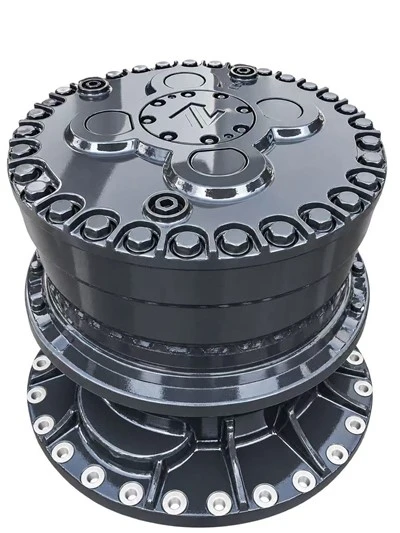
At the end of the day, the transfer case is the middleman between your transmission and the wheels, making sure power gets where it needs to. Neglect it, and it’ll leave you stranded on the side of the road or stuck halfway up a trail. If you’re not sure if your transfer case is due for a fluid change, or you need a replacement part (we stock everything from seals and sensors to full rebuild kits), hit us up. We work with DIYers and mechanics alike, and we’re here to help you keep your rig going strong.
Spare Parts References:
- Automotive Parts Manufacturers Association. (2022). Maintenance Guidelines for Four-Wheel Drive Transfer Cases.
- SAE International. (2021). Lubrication Requirements for Light Duty Transfer Case Systems.
- Off-Road Industry Association. (2023). Best Practices for Transfer Case Care During Off-Road Use.
- National Highway Traffic Safety Administration. (2020). Owner Maintenance Tips for AWD/4WD Vehicle Drivetrains.
Shandong Huashou Transmission Technology Co., Ltd.
Shandong Huashou Transmission Technology Co., Ltd. is one of the most experienced transfer case manufacturers and suppliers in China, also supports customized service. Please feel free to wholesale advanced transfer case in stock here and get quotation from our factory. Quality products and reasonable price are available.
Address: No.6 Jinkang Road, Kangyi Town, Wenshang County, Jining City, Shandong Province, China
E-mail: 19285488291@163.com
WebSite: https://www.chinahuashou.com/
