If you’ve walked past an industrial oven operation floor on a busy workday, you’ve likely noticed the hum of large chambers, the glow of heating elements, and the quiet, practiced movements of techs moving parts, materials, and tools. I’ve been an industrial oven supplier for 18 years, and I’ve seen every end of this space: the rush to get a new line online, the panic when a misloaded batch ruins a month of production, and the most avoidable mistakes that lead to safety incidents. One mistake I see far too often is teams cutting corners on hazardous material handling inside and around their oven. This isn’t just a “safety rule” — it’s the difference between a smooth production run, a OSHA fine, or an incident that leaves workers sidelined for months. Industrial Oven
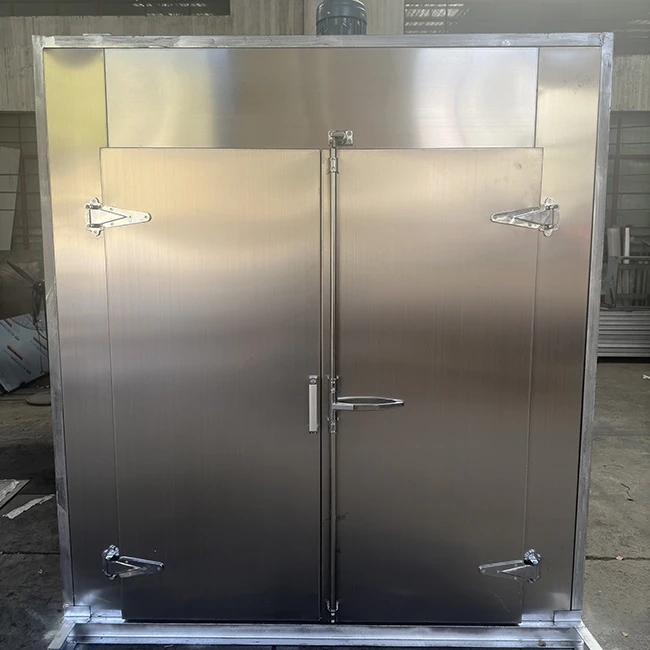
Let’s break this down, not from a textbook, but from the years I’ve spent working with plants ranging from aerospace part shops to food processing facilities that run our ovens daily. The first rule I teach every customer, no matter their industry, is that hazardous materials and industrial ovens don’t mix unless you plan for them intentionally. A lot of teams assume that because their oven is labeled for high-heat curing or drying, it’s built to handle whatever “safe” amount of residue or material they’re running. That’s not how it works. Ovens are designed for specific load weights, temperature ranges, and material types — and when you introduce something unplanned, even a small amount, it can turn into a hazard fast.
First, let’s define what counts as a hazardous material in an industrial oven setting. This isn’t just rocket fuel or industrial chemicals. It’s the flammable solvent residues left on metal parts after degreasing, the off-gassing from cured coatings like epoxy or powder paint, even dust from metal filings or fiberglass that builds up on oven interiors over a week of runs. I worked with a small automotive part shop two years ago that thought their powder coating oven was “fine” because they always vented a little extra air when they cured parts. They didn’t know that a batch of steel brackets they’d just received had a thin layer of degreaser that wasn’t fully removed, and when the oven heated to 350 degrees Fahrenheit, that degreaser off-gassed in a concentrated cloud, hit a heating element, and triggered a small flash fire that damaged the oven’s interior. The fix for them wasn’t a new oven — it was a simple checklist for cleaning parts before loading — but it showed me how easily these hazards sneak in.
The biggest mistake I see is teams treating oven loading like it’s just shoving parts into a box and turning it on. When hazardous materials are involved, that process needs to be structured and documented. Let’s start with pre-oven screening, because not every load is the same. Every batch should have a material safety data sheet (MSDS) or, for newer facilities, a safety data sheet (SDS) on file that outlines what’s in the materials being run, their flash points, and their off-gassing properties. I recommend that our customers keep a physical and digital copy of every SDS for every material they run through our ovens, and that a designated lead does a 10-minute check before every load goes in. That check isn’t just “are the parts clean?” It’s asking: what’s the flash point of the coatings or solvents on these parts? Will they release toxic fumes at operating temperature? How much residue could build up in the oven’s interior?
A lot of plants use a shortcut here, only checking this for “high-risk” materials like chemical coatings and forgetting about the “routine” stuff. Last year, a aerospace composites shop told me they’d had a couple of instances of resin fumes building up in their oven exhaust that made their shop techs dizzy. When we did a walkthrough, we found they were running carbon fiber prepreg — a common composite material — through a 480-degree oven, and they were only screening for epoxy coatings, not the volatile organic compounds (VOCs) released by the cured prepreg. Those VOCs are technically hazardous, and they’re not visible, so teams don’t notice them until someone gets lightheaded. The fix here was adjusting their oven’s exhaust rate for composite loads, a simple tweak we can set during oven commissioning, but it started with that basic pre-load screening step.
Next, handling the load itself. I’ve seen teams stack parts so tight in the oven that there’s no air flow between them — that’s a recipe for disaster when hazardous materials are present. If a part has a small amount of flammable residue, tight stacking can trap fumes against the heating element, raising the risk of ignition. We design all our industrial ovens with specific airflow rates for a reason: that air moves fumes and residue through the exhaust system, not letting them pool in corners or against hot surfaces. When loading, make sure there’s at least two inches of space between parts, and that larger, bulkier items don’t block the oven’s air return vents — those vents are what pull the fumes out of the chamber, so blocking them turns a vent into a buildup zone.
Also, never load more material than your oven is rated for. Every oven we build has a maximum load capacity, both by weight and by volume, based on how much air flow and heating power it has. I worked with a metal plating shop a few years back that wanted to run twice as many parts through their oven to save time, so they crammed in every rack they could. The parts had a thin layer of plating solution residue, which is corrosive and flammable, and when the oven overloaded, the heating elements worked harder to reach temperature, overheating one section of the oven interior. That not only damaged the oven’s heat insulation, but the residue on the overheated parts ignited, causing $12,000 in damage and shutting their line down for three days. It was an avoidable mistake, and it all came down to overloading the oven beyond its designed capacity.
Then there’s the issue of cleaning and maintaining the oven between runs. This is one of the most overlooked parts of hazardous material handling, and it’s also the easiest to mess up. Even if a load looks clean, small amounts of residue will stick to the oven’s walls, racks, and heating elements after every run. Over time, that residue builds up, and when it’s heated, it can release fumes or even ignite. I recommend a regular cleaning schedule that’s tailored to the materials you’re running: if you’re running flammable solvents, clean the oven interior every two weeks; if you’re running toxic fume off-gassing materials, do a deep clean after every 10 runs; and if you’re running food-grade materials (which have different hazardous considerations), follow FDA guidelines for oven cleaning frequency.
A big part of cleaning is knowing what products to use — never use a harsh chemical cleaner that will react with residue in the oven. For example, if you have epoxy residue built up, a strong acid cleaner could react with leftover solvent residue, creating toxic fumes when heated. We provide our customers with a list of approved, non-reactive cleaners that work with all our ovens, and we always stress that they test any new cleaner on a small, hidden section of the oven interior first to make sure it doesn’t cause damage or a chemical reaction.
Exhaust and air quality is another critical piece here. The oven’s exhaust system isn’t just for removing heat — it’s for pulling hazardous fumes and residue out of the chamber before they build up. A lot of teams ignore their exhaust systems, only checking them when the oven isn’t heating right. We recommend monthly checks of the exhaust fans and filters, because a clogged filter can cut exhaust flow by 50% in as little as a month. That’s exactly what happened to a wood finish shop I worked with a few years back. They used their oven for curing paint and wood sealers, and didn’t change their exhaust filter for three months. By the time the filter was clogged, fumes were building up in the oven chamber, and one day when they opened the oven door to remove a batch, the fumes escaped and triggered a small spark from a nearby conveyor, sending a plume of toxic fumes into the shop. It wasn’t a huge fire, but it landed them a $15,000 OSHA fine and forced them to close for a week to fix their exhaust system.
If you’re running materials that release highly toxic or explosive fumes, you need to go beyond standard exhaust systems. We design specialized ovens for these applications, with explosion-proof heating elements, pressure relief valves, and advanced exhaust systems that can handle concentrated fume concentrations. I always tell customers that if they’re running materials with a flash point below 100 degrees Fahrenheit, they shouldn’t use a standard oven — they need a model built for hazardous material handling, with safety features that standard ovens don’t have. Cutting corners here isn’t worth it; the cost of a specialized oven is far less than the cost of an incident or fine.
Training is the final piece, and it’s the one that makes all the other steps work. I’ve seen top-of-the-line ovens with all the safety features in the world, run perfectly for years, because the team operating them knows what they’re doing. And I’ve seen cheap ovens turn into hazards because the team didn’t know basic steps like checking an SDS or cleaning the oven regularly. When we deliver a new industrial oven to a customer, we don’t just set it up and leave. We provide hands-on training for every operator, lead, and maintenance tech on how to handle hazardous materials through the oven, how to do pre-load checks, how to clean the oven, and how to spot early signs of a problem — like uneven heating, strange odors, or reduced exhaust flow.
A few years back, I worked with a startup solar panel manufacturing team that had no experience running industrial ovens. They’d bought a used oven to save money, and they didn’t know how to check SDS for the semiconductor coatings they were running. We did a full training session for their team, including a simulation of what happens when you have unprocessed residue in the oven, and helped them set up their pre-load and cleaning checklists. Within three months, they’d gone from having one small incident a week to zero, and their production yield went up 15% because they weren’t having batch failures from residue buildup. That’s the biggest payoff of proper training: it doesn’t just keep you safe — it makes your operation more efficient.
At the end of the day, handling hazardous materials in an industrial oven isn’t about being perfect every time. It’s about being intentional, following the rules your oven is designed for, and not cutting corners. The mistakes I’ve seen over the years haven’t come from bad equipment or bad rules — they’ve come from teams treating hazardous material handling like an afterthought, or assuming “it’s never happened before, so it won’t happen now.” That’s the kind of attitude that leads to incidents.
If you’re running an operation that handles hazardous materials through an industrial oven, and you’re not sure if your current setup is safe, or if your oven is built to handle your materials, we can help. We work with facilities of all sizes, from small local shops to large national manufacturers, to audit their oven operations, provide customized safety checklists, and design or upgrade ovens to meet their specific needs. Whether you need help with pre-load screening, exhaust system upgrades, or specialized ovens for high-risk materials, we can walk through every step with you. Reach out to us to discuss your operation, and we can help you build a safe, efficient system that keeps your team and your production running smoothly.
Industrial Furnace References:
- Occupational Safety and Health Administration (OSHA). 29 CFR 1910.1000: Air Contaminants. U.S. Department of Labor, 2023.
- National Fire Protection Association (NFPA). Standard on Industrial Ovens and Furnaces (NFPA 86), 2022 Edition.
- American National Standards Institute (ANSI). Safety Requirements for Thermal Processing Equipment (ANSI Z265.1), 2021.
- International Organization for Standardization (ISO). ISO 13732-1: Ergonomics of the Thermal Environment – Methods for the Assessment of Human Exposure to Thermal Environments – Part 1: Hot Surfaces, 2019.
Nanjing Ranran Tiancheng Drying Equipment Co., Ltd.
As one of the most professional industrial oven manufacturers and suppliers in China, our products have good reputation in the market. Please feel free to buy advanced industrial oven for sale here from our factory. All customized products are with high quality and competitive price.
Address: No. 5 Xinhua Road, Shangba Village, Longtan Street, Qixia District, Nanjing City
E-mail: rrtc@rrtcoven.com
WebSite: https://www.rrtcoven.com/
