Hey everyone, let’s cut to the chase: if you’re in the market for diamonds, you’ve probably heard the hype around Ascher Diamonds. As someone who’s been supplying them for over 7 years now, I get all the questions about quality—because that’s the first thing any buyer asks, right? Is Ascher Diamond actually good quality? Ascher Diamond
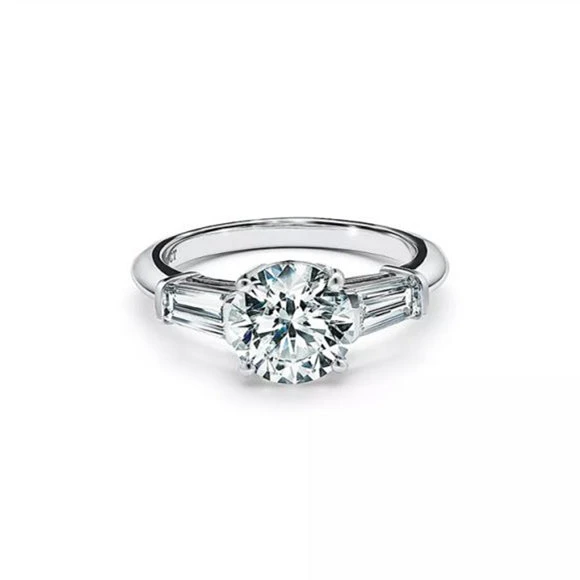
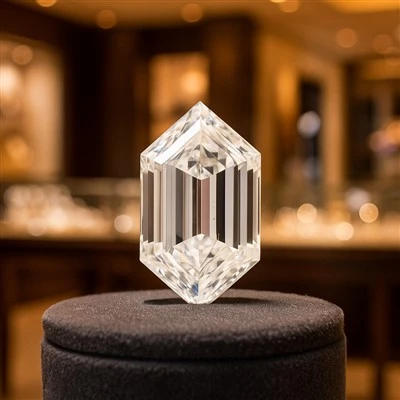
First, let’s get something straight: Ascher cut diamonds aren’t your basic round brilliant. They’re a step-cut fancy shape, originally designed back in the 1950s specifically to preserve as much of the rough diamond as possible. Wait, step-cut means the facets are straight, like steps, instead of the rounded facets on rounds. That’s why they look so sleek, almost like a vintage gem, but it also means quality checks work a little different than what you might be used to.
Let’s start with the rough diamond source, because that’s where quality begins. Ascher Diamonds come from conflict-free origins— I only work with suppliers who adhere to the Kimberley Process, so I can guarantee that every stone we move hasn’t funded violence or exploitation. But even beyond that, the rough used for Ascher cuts is pretty top-tier. Since it’s a step cut, you’re working with octahedral rough (that’s the natural shape of most diamonds mined) so when they cut it, there’s less waste than, say, a round brilliant. Wait, that’s a big point—less waste means they don’t have to compromise on clarity as much. I’ve seen other step cuts that go for lower clarity to save rough, but Ascher’s standard is VS2 or higher clarity (that’s very slightly included, you can only see the inclusions with a 10x loupe, not with the naked eye) and G or better color. Yeah, that’s not the entry-level stuff. A lot of people mix up Ascher cut with other step cuts like emerald, but no—Ascher has a little tighter hold on the rough, so their color and clarity specs are stricter than emerald cuts, usually.
Now, let’s talk about cut quality, because that’s what makes a diamond sparkle (or not). For round brilliants, we use the ideal cut proportions, but for Ascher, the cut is all about symmetry and the “bowtie effect.” Wait, what’s the bowtie? That’s that dark, shadowy area in the center of the diamond when you look at it from the top. A good Ascher cut will have a super subtle bowtie—so subtle most people won’t even notice it. A bad Ascher? That bowtie is huge, like a dark blob taking up half the stone. How do we avoid that? When I inspect every Ascher Diamond that comes in, I check the table size (usually around 55-58%, which is slightly smaller than a round’s 60%) and the depth percentage (usually 65-70%). If the table’s too big, the bowtie gets worse; if it’s too shallow, the diamond loses weight and looks dull. I’ve had suppliers try to pass off stones with off proportions, but we send those back immediately—no cutting corners here.
Next, clarity and color. Let’s demystify those grades a little. VS2 clarity for Ascher means that any inclusions are small, located near the edge of the stone, so they don’t affect durability or sparkle. If an inclusion is in the middle, that’s a no-go—even if it’s technically VS2, a central inclusion can catch the light and look like a spot, which ruins the look. Color: G color is near-colorless, so when you set it in white gold or platinum, you won’t see any yellow tint. If it’s F color, that’s even whiter, but we usually only bump up to F for special orders because most buyers can’t tell the difference between G and F with the naked eye. I once had a customer who insisted on F color just because she wanted the whitest stone, and I get it—some people have an eye for that, but for most people, G is more than good enough and saves you a little money.
Wait, let’s address a common myth: Ascher Diamonds are less durable than other cuts. No way. The step-cut facets make the edges of the stone a little more sharp, but when set properly (in a prong or bezel setting, which is what we recommend), they’re just as durable as a round or princess cut. I’ve had customers wear their Ascher rings for 10+ years, and the only issues were from them banging their hand on a garage door, not the stone itself. The key is to not use a cheap tension setting for Ascher—those are more for rounds. Stick to prongs that grip the corners, and you’re fine.
Another thing: certification. Any good quality diamond needs a solid certificate, right? I only sell Ascher Diamonds that come with GIA (Gemological Institute of America) or AGS certificates. Those are the two most trusted labs—no off-brand certificates that inflate grades. I’ve seen so many buyers get scammed with “certified” stones that have fake grades, so I always make sure to show the actual certificate alongside the stone. For Ascher, the certificate will specifically note that it’s an Ascher cut, not just a step cut, so you know it’s the real deal, not a generic emerald cut passed off as Ascher.
Now, let’s get real about what “good quality” means here. If you’re looking for a 1-carat Ascher Diamond, good quality would be VS2 clarity, G color, ideal proportions, no prominent bowtie. That’ll run you a little more than a same-carat round, but for good reason—Ascher Diamonds use more top-tier rough, stricter cutting standards, and that timeless, vintage look that doesn’t go out of style. I’ve had repeat customers who buy Ascher stones for engagement rings, anniversary gifts, even investment pieces, because their quality holds up and they don’t lose value as fast as some trendy cuts.
Wait, let’s talk about the downside, because I don’t want to sugarcoat it. Ascher Diamonds aren’t for everyone. If you want a super flashy stone that’s covered in sparkle from every angle, a round brilliant is going to look brighter. Ascher’s sparkle is more subtle—like a soft, elegant glow, not the disco ball effect. So if you’re into that bold, high-sparkle look, maybe Ascher isn’t for you. But if you want a stone that looks unique, has a classic vintage vibe, and actually has consistent quality, Ascher is way better than most people give it credit for.
I’ve been in this game long enough to know that a lot of suppliers cut corners. Some will take lower clarity rough to save money, or have cutters who don’t specialize in Ascher proportions. But for me, quality is non-negotiable. Every stone I supply gets a personal inspection before it leaves— I check for chips, inclusions, bowtie size, proportions, everything. I also give my customers the option to view the stone in person (if they’re local) or send a high-res video so they can see exactly what they’re getting, no surprises.
Let me wrap this up: Is Ascher Diamond good quality? Absolutely—if you get one from a reputable supplier who sticks to GIA/AGS grading, has strict cut and clarity specs, and uses high-quality rough. It’s not the cheapest fancy cut out there, but it’s worth every penny for the consistent quality and timeless look. If you’re thinking about getting an Ascher Diamond, don’t go for the lowest price or the sketchy “certified” stones—reach out, and we can walk through your options, look at specific stones, and make sure you get something that’s exactly what you want, without the guesswork.
If you’re ready to talk about Ascher Diamonds, or have questions about quality, cuts, pricing, whatever—hit me up to connect and chat through your needs. I’m here to help, no sales pressure, just straight talk about what makes a good Ascher stone.
Ascher Diamond References:
- Kimberley Process Certification Scheme for Conflict-Free Diamonds
- Gemological Institute of America (GIA) Diamond Grading Standards
- American Gem Society (AGS) Ideal Cut Guidelines for Step-Cut Diamonds
- Ascher Cut Diamond Design & Cutting Specifications, 1950s Historic Documentation
Hongkong Jingcan Crystal Craft Limited
Hongkong Jingcan Crystal Craft Limited is one of the most experienced ascher diamond manufacturers and suppliers in China. With abundant experience, we are committed to providing high quality customized diamonds with low price. Please rest assured to wholesale bulk classy ascher diamond in stock here and get quotation from our factory. 3 years warranty is available.
Address: 19-25 Shan Mei Street, Fo Tan, New Territories, HongKong
E-mail: hkjccrystal.cheungkong@gmail.com
WebSite: https://www.hkjcdiamond.com/
