If you’ve ever driven past a steel plant or a coking facility, you might’ve seen these big, clunky machines rolling along rail lines next to rows of tall, brick-lined ovens, shoving something heavy into the gaps between the ovens. That’s a coke oven pusher, and if you’re in the market for one (or just curious how coking actually works), stick around—this isn’t just another jargon-heavy explanation, it’s the stuff we talk about every day at the plant when a machine goes down and production hangs in the balance. Coke Oven

First, let’s break down the basics: coking is how we turn coal into coke, that hard, porous, almost metallic fuel steel mills live on. You can’t just throw regular coal into a blast furnace—it’s too soft, has too much moisture, and would blow apart the furnace lining. So we crush the coal, heat it to like 2,000 degrees Fahrenheit in those sealed coke ovens for 12 to 36 hours (depending on the coal blend), and burn off all the volatile stuff—methane, tar, ammonia, that gunk you don’t want in a steel furnace. Once the coke is baked just right, it’s trapped inside the oven, and that’s where the pusher comes in.
A coke oven pusher’s whole job is simple, really: push the finished, red-hot coke out of the oven so it can cool down and get sent to the steel mill. But don’t let that simplicity fool you—these things are monsters. Most are 80 to 100 feet long, weigh over 200 tons, and run on huge electric motors or even diesel engines for older models. They move along a track that runs parallel to the battery (that’s what we call a whole row of ovens) and line up right at the door of the finished oven.
Wait, let’s get specific about how that works, because it’s way more precise than you’d think. Coke oven batteries usually have 50 to 100 ovens in a row, each with two doors—one on the “pusher side” (where the pusher is) and one on the “coke side” (where the coke goes into a quenching car). When an oven is done cooking, the worker on the pusher side first pulls out the small peep holes and the big door seal—usually a thick, steel plate bolted tight that keeps the heat in during baking. Then the pusher extends that big, flat steel ram (that’s the heavy metal plate at the front) into the oven. The ram’s built just the right size to fit the oven’s interior without scraping too much brick off the walls—scraping a oven lining costs tens of thousands of dollars and shuts down production for weeks, so we test every ram fit before a machine even hits the field.
Once the ram’s all the way in, the pusher doesn’t just slam it. It moves slow and steady, pushing the entire mass of red-hot coke (which can weigh 20 to 30 tons) straight out of the oven and into the quenching car. That car’s right behind the oven door, waiting to catch the coke so it doesn’t spill all over the track. After the coke is pushed, the pusher pulls back the ram, moves over to the next oven, and repeats the whole process for that one. We do this for every oven in the battery, every day, because coke production runs 24/7—shut down a battery for even an hour and you’re losing money fast.
Now, let’s talk about the different types of pushers, because not all are the same, and picking the right one matters a lot. There’s mechanical pushers, which use a big gearbox and lead screw to move the ram—these are older, cheaper, and work fine for smaller operations that don’t run 3 shifts a day. Then there’s hydraulic pushers, which use high-pressure oil to power the ram—these are better for heavy loads, faster, and more precise, so big steel mills with 100+ oven batteries almost always go hydraulic. We also have mobile pushers vs. fixed pushers—fixed ones are bolted right to the ground, which means less vibration and longer life, but they’re only for one battery. Mobile ones can move between multiple batteries at a facility, which saves money if you have multiple coking lines, but they’re more complicated to maintain.
A lot of people ask us, “Why not just pull the coke out instead of pushing it?” And fair question—coke’s super dense and sticky after baking, so pulling it would take a way bigger machine that could fit into the oven. Pushing is way more efficient because the pusher is outside the oven, so it only has to move through the open door, not squeeze into the whole interior. That also means the pusher doesn’t get exposed to constant direct heat, which helps it last longer—we still have to insulate critical parts, of course, but it’s not as bad as if the machine was inside the oven.
Wait, let’s not gloss over the challenges here, because that’s the part most explanations miss. Coke oven pusher operators don’t just push a button and go—they have to deal with 1,800-degree heat coming off the oven, dust from the ash and small coke pieces flying around, and constant vibration that shakes the machine and loosens bolts (we check those bolts every shift, no exceptions). If the pusher’s ram stops halfway during a push, that’s a disaster—you’ve got half a coke mass stuck in the oven, which means you can’t use that oven, and you have to get a crew in there with tools to break it loose, which is dangerous and takes days. That’s why we build our pushers with overload sensors that stop the ram if it hits something too hard, and emergency retraction that pulls the ram back immediately if there’s a problem.
Another big thing: safety. Coke oven operators work around extremely hazardous stuff—red-hot coke, flammable gases, heavy machinery. Modern pushers have cameras that give the operator a 360-degree view around the machine, so they don’t have to stand right next to the oven door and get burned. They also have automatic door seal removal systems, so the operator doesn’t have to handle that hot, heavy seal plate manually. Old pushers used to have operators right next to the ram, but those days are mostly gone for a reason—too many accidents. We build all our pushers with OSHA and global safety standards in mind, because we know your workers’ safety is non-negotiable.
If you’re a plant manager or operations lead, you probably care more about uptime and cost than specs, right? Let’s talk about that. A good coke oven pusher should last 15 to 20 years if you maintain it, not just 5 or 10. Cheaper pushers might seem like a deal at first, but they break down more often, need more repairs, and cost you way more in lost production over time. We’re a coke oven pusher supplier, so we don’t just sell machines—we also have maintenance kits, spare parts, and on-site tech support if something goes wrong. We’ve worked with small coking plants with 2 ovens up to big steel complexes with 10+ batteries, so we know different facilities have different needs—we don’t push a one-size-fits-all machine.
Wait, let’s clear up a common mix-up: people sometimes confuse coke oven pushers with coke quenching cars or charging machines. The charging machine is the one that loads fresh coal into the oven at the start of the coking process, right after the oven is empty and cooled a little. The quenching car is the one that catches the coke after the pusher pushes it, then takes it to the quench tower where we spray water on it to cool it down in 10 minutes instead of letting it sit and cool for days. The pusher is the middleman—between charging and quenching, it’s the one that moves the finished product from the oven to the quenching car.
Let me throw in a quick real-world example to make this concrete. Last year, we worked with a mid-sized steel plant in Ohio that was using an old mechanical pusher that was 40 years old. It broke down twice a month, took 8 hours to fix each time, and their production was lagging. They upgraded to a mid-sized hydraulic mobile pusher we make, and within 6 months, their unplanned downtime went down by 90%, and they were able to run one extra oven per day because the pusher was faster. That’s the kind of impact a good pusher can have—this isn’t just a machine, it’s a core part of your coking line.
Now, if you’re reading this, you’re probably either in the market for a coke oven pusher, or curious about how these plants run. If you’re looking to upgrade, replace a broken pusher, or just want to learn more about what works for your facility, reach out to us to connect and discuss your specific needs. We can walk you through different models, help you figure out if a fixed or mobile pusher is right for your battery size, and even schedule a walkthrough of a machine at our test yard so you can see it in action.
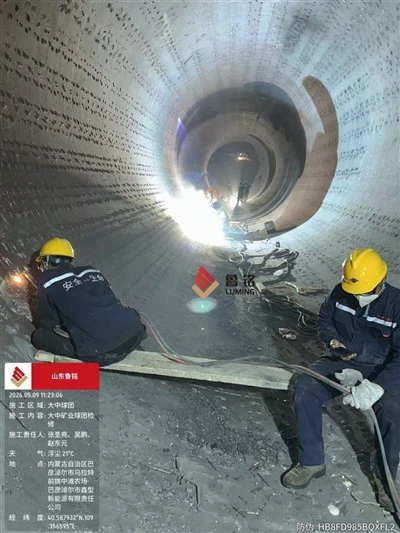
If you’re not in the market right now, that’s cool too—next time you drive past a steel plant, glance over at the lines of ovens, and that big machine rolling along pushing coke? That’s the pusher, and without it, there’s no coke, no steel, and no buildings, cars, or bridges that get built every year. It’s a quiet workhorse that most people don’t notice, but it’s way more important than it looks.
Lithium Industry Kilns References:
- "Coking Basics: Process Design and Operation," International Coking Association, 2021.
- "Equipment Specifications for Coke Oven Batteries," World Steel Association, 2022.
- "Safety Standards for Coke Oven Machinery," Occupational Safety and Health Administration, 2020.
- "Advancements in Hydraulic Pusher Technology for Coking Operations," Journal of Industrial Equipment and Engineering, 2023.
Shandong Luming New Materials Technology Co., Ltd.
Shandong Luming New Materials Technology Co., Ltd. is one of the most professional coke oven manufacturers and suppliers in China, featured by quality products and good service. Please rest assured to buy coke oven at competitive price from our factory.
Address: No.1688 Xiyangxi Village, Zhoucun District, Zibo City, Shandong Province, China
E-mail: luming@lm-kiln.com
WebSite: https://www.lm-kiln.com/
